.png)
Generative AI has only been around for a few years, but it’s already proven to be quite a helpful tool. With just a few prompts, you can step into the shoes of a donor, customer, or patient faster than manual brainstorming and tedious hands-on research ever could. As a result, you can save your team time and resources, allowing you to dedicate more time to implementing your website design strategy and creating marketing materials.
But AI is still just a tool. While it helps with your research, it’s still a good practice to validate any information that comes out of your AI tool with your team, your own data, and your users.
To get you started with using AI to develop marketing personas, we’ve created a list of five questions to ask with real Gemini input and output examples. That way, you can harness the true marketing potential of AI. Let’s get started!
1. Can you build a marketing persona with the following attributes?
Marketing personas are fleshed-out profiles of specific segments of your target audience. You may have a solid understanding of your audience as a whole, but it’s still important to understand the differences among customers to cater to each of their needs.
A well-rounded marketing persona will contain the customer’s goals, challenges, preferences, and demographics. Ideally, you’d connect with actual customers to learn more about them, but you may not have the capacity to do that if your team is short on time or staff. Instead, you can have AI produce a quick overview of a marketing persona, thus closing some gaps in your research until you can connect more closely with real customers.
Let’s walk through an example of how to ask Gemini for a marketing persona. In this case, we’ll be acting as a niche business that creates furniture out of recycled materials. Remember that the more specific you are in your prompts, the better Gemini’s responses will be.
Here’s an example of a prompt for creating a marketing persona:
Can you build a marketing persona for someone looking to buy furniture made out of recycled materials? Please include details about this person’s goals, pain points, values, accessibility needs, and decision criteria for purchasing furniture.
Take a look at Gemini’s response:
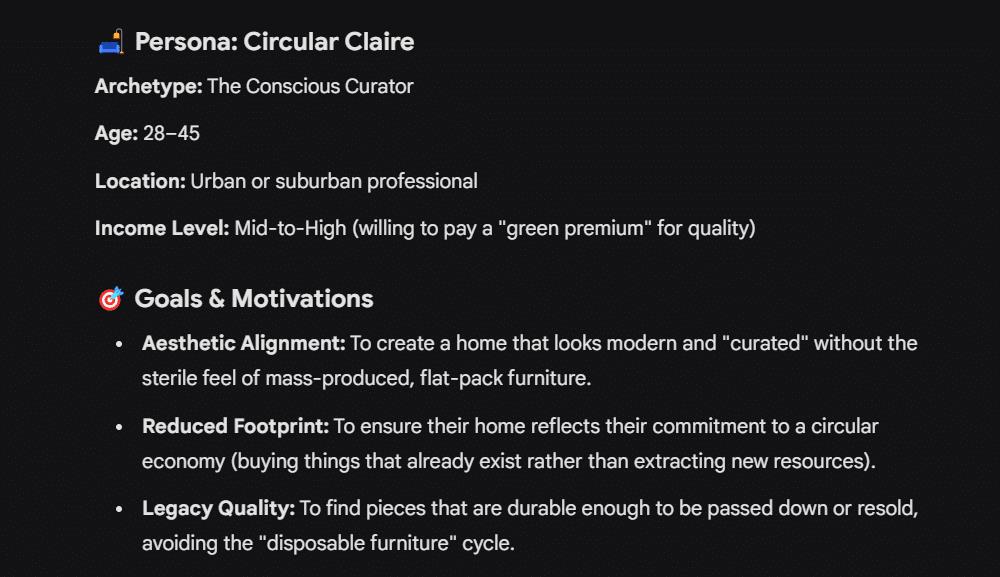
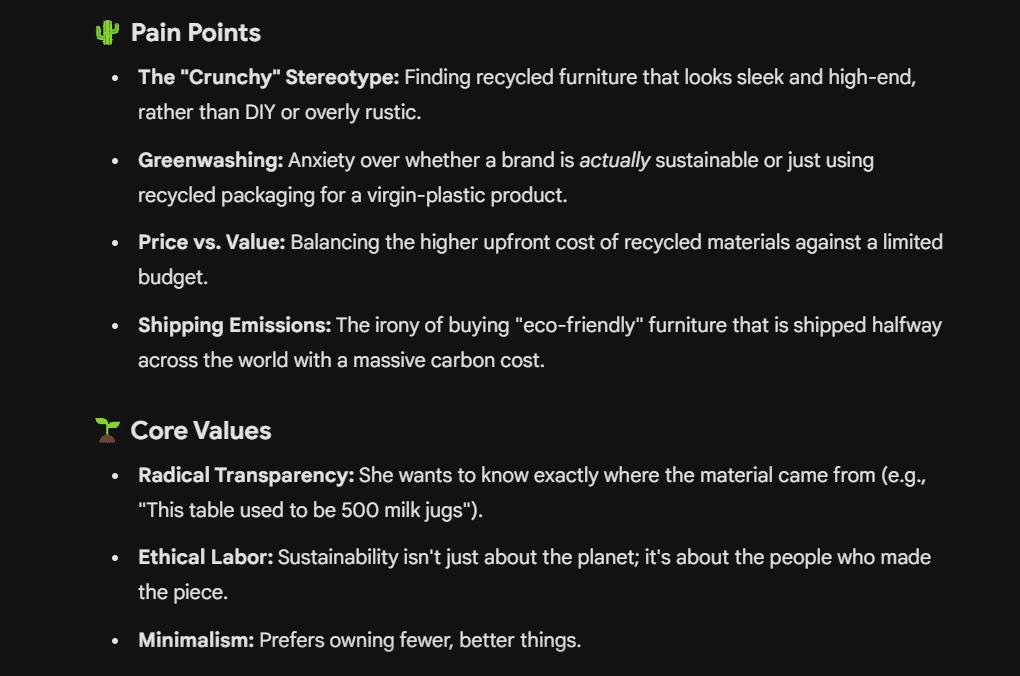
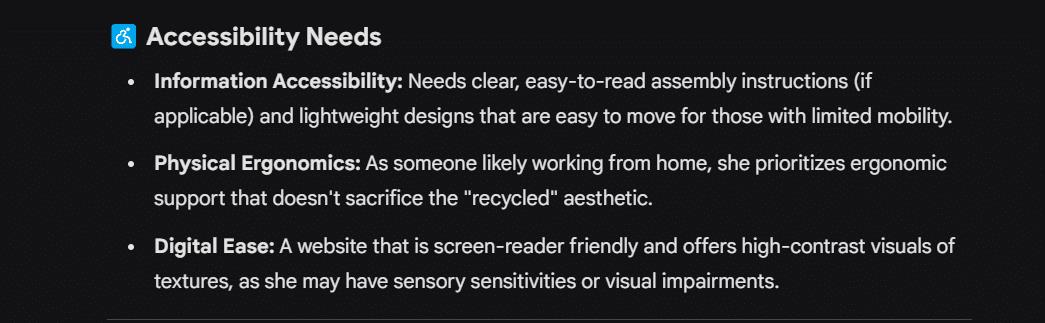
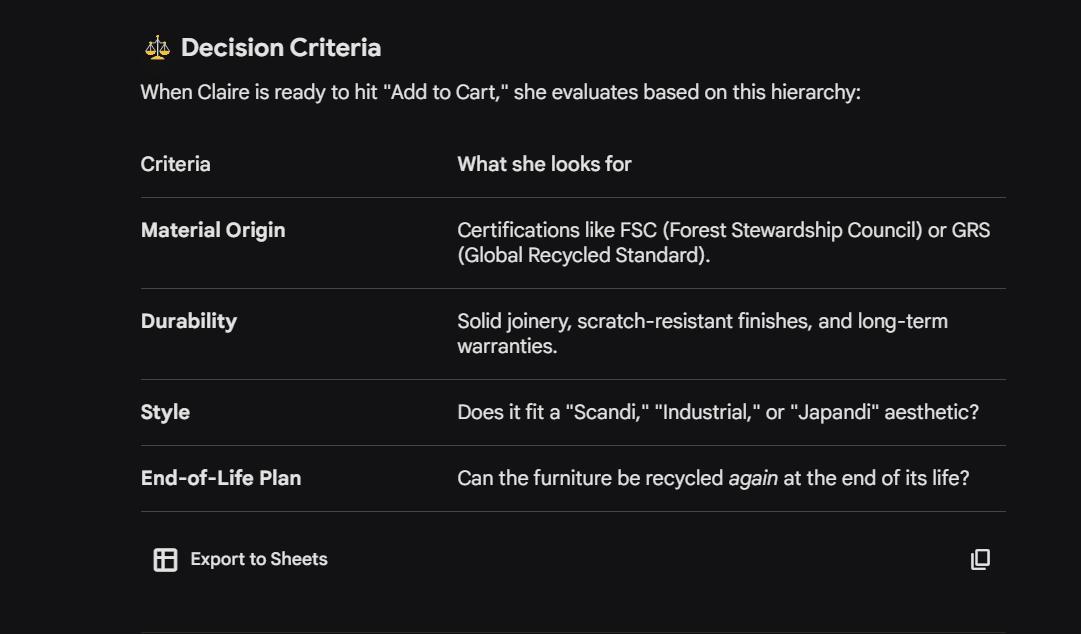
While this persona is a great starting point, you should still incorporate feedback from real customers to make sure you’re accurately identifying and serving their needs. Compare this feedback with Gemini’s response, and make changes as needed.
2. How would this person describe their challenges in their own terms?
When you’re reaching out to potential customers, you want to meet them where they are. Incorporating your target audience’s language in your communications is effective because it shows you understand the consumer and are willing to adapt to reach them more easily. This will lead to more lead conversions in the future.
Check out this example of a prompt for defining the language of your target audience:
How would the eco-conscious buyer describe their challenges in their own words?
Here’s Gemini’s response:

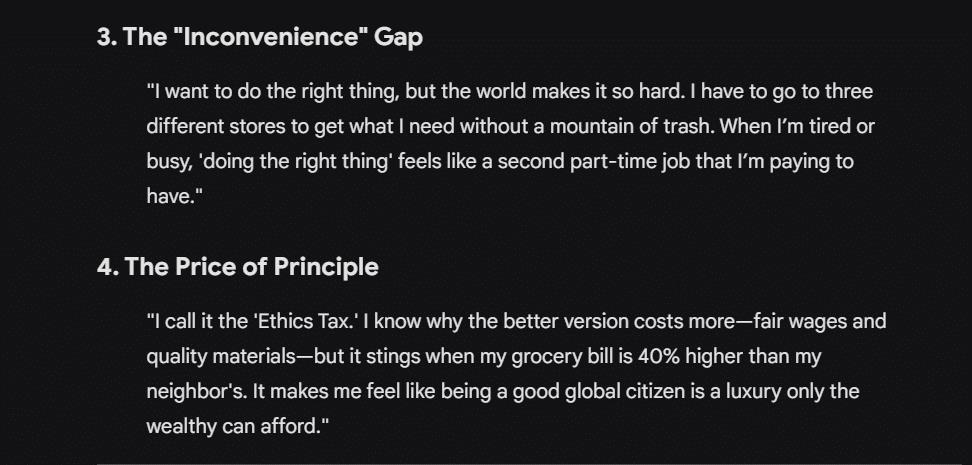
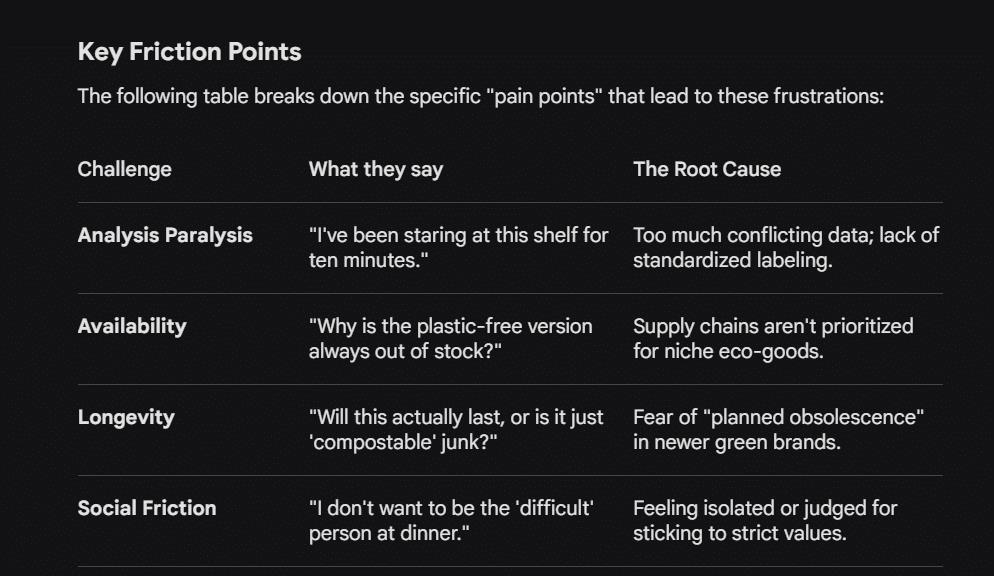
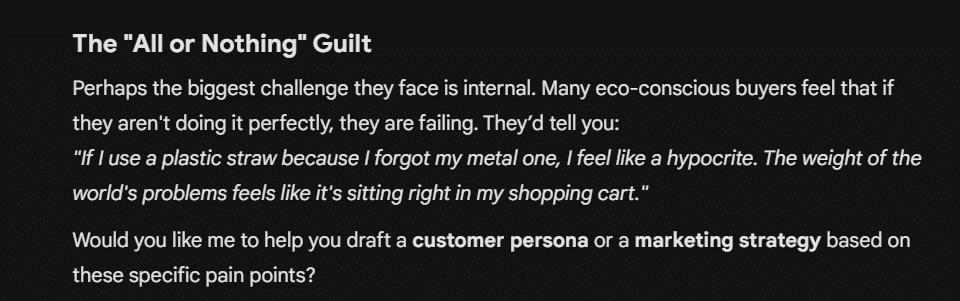
Avoid using industry jargon in your communications, as your audience may not be familiar with it. Instead, having AI describe how a particular persona would frame their challenges in their own terms can help you quickly understand the language you should be using.
Understanding each persona’s challenges can also help you to determine the types of calls to action to include throughout your website. If your CTAs answer your audience’s questions or solve their problems, they’re more likely to be clicked.
PRO TIP: You can also ask AI to write a “Day in the Life” journal entry for the persona. Look for emotional friction in that entry—that should give you an insight into your target audience’s pain points. For example, a hospital patient might feel anxious or confused about insurance, so the hospital’s website should focus on answering insurance questions.
3. What resources does this person use to get their information?
Learning where your target audience gets their information has several benefits, such as:
- It allows you to explore these resources yourself. For example, if your target audience listens to a certain podcast in their industry, your team can check out an episode or two to glean insights about your audience.
- It can help you develop content in a format your audience will consume. For example, if you’re a healthcare organization and your audience reads articles on an industry-relevant blog, consider revamping your own blog to emulate other industry resources.
With that said, asking Gemini where your audience would look for information about your product or service ensures you’re making it as easy as possible for your target customer to find your company.
Let’s take a look at an example prompt for discovering which resources your marketing persona uses to seek out a company like yours:
What resources would the eco-conscious buyer use before purchasing furniture? List specific forums, LinkedIn groups, blogs, new sources, or journals this persona trusts.
Here’s Gemini’s response:
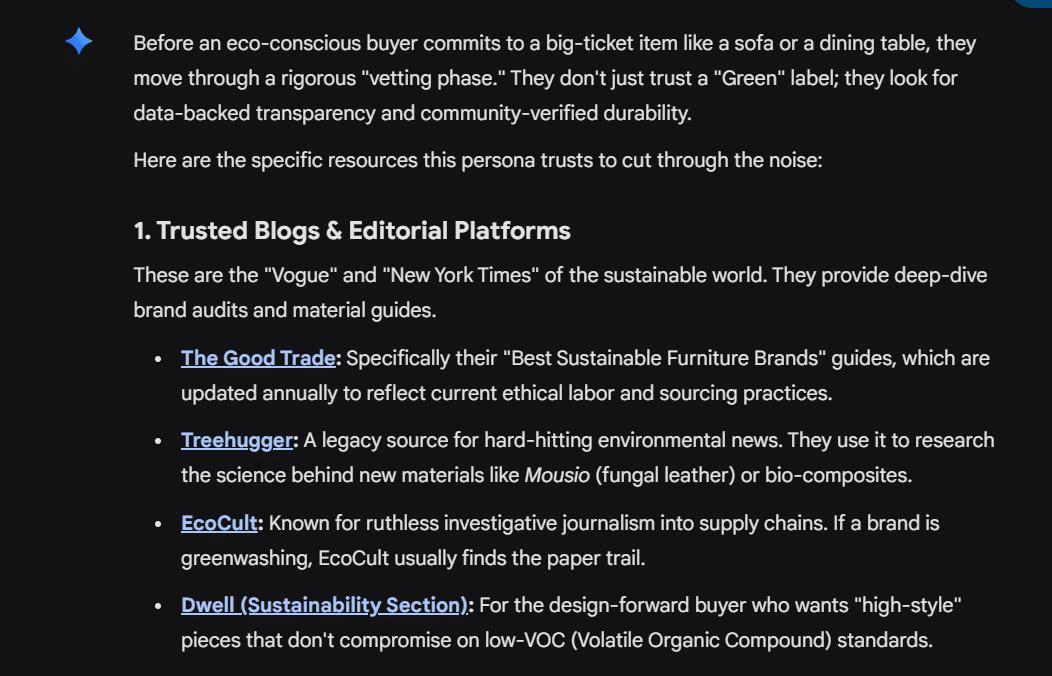
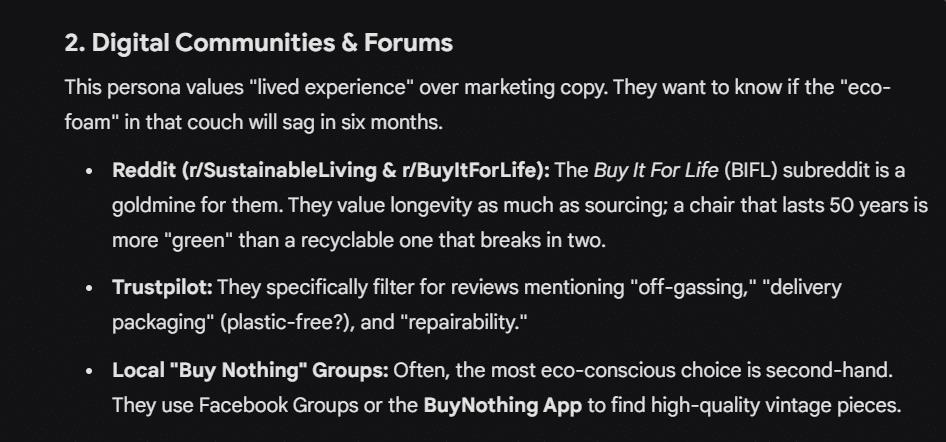
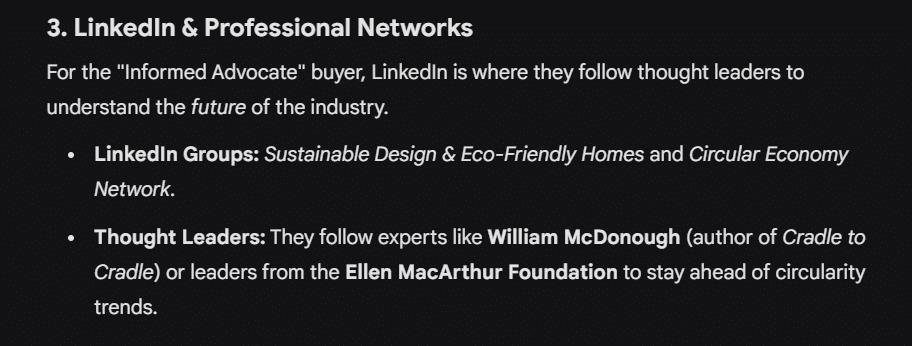
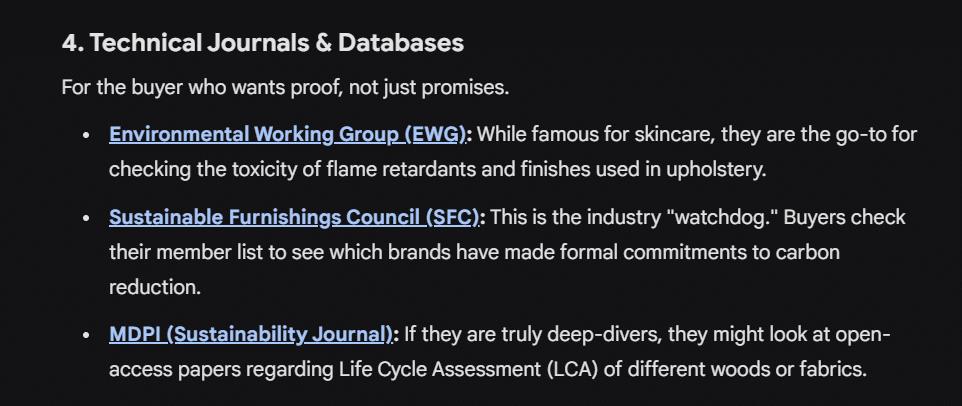
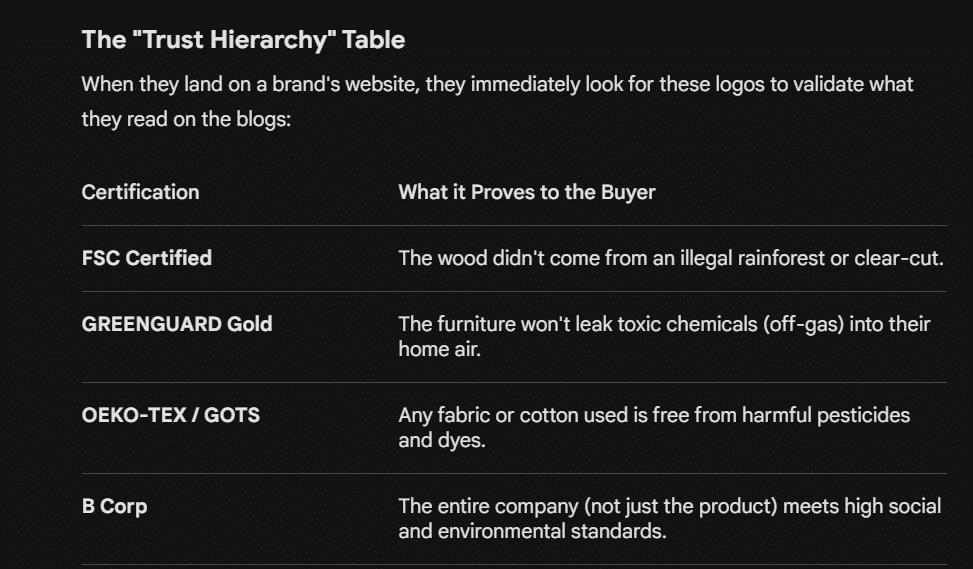
Using Gemini’s response as a checklist lets you verify that you’re using as many communication channels as possible to reach potential customers.
4. What prompted this person to seek help?
It’s time to direct the AI to identify the exact moment of need. When you understand exactly what triggered someone to seek out your business, you can make your marketing materials more focused. It also helps you design a landing page copy that speaks to the immediate crisis or goal.
Here’s how you might ask Gemini what prompted your audience to seek help:
What are some reasons that made the eco-conscious buyer look for furniture made out of recycled materials? Please identify the specific moment of need in detail.
Check out Gemini’s response:
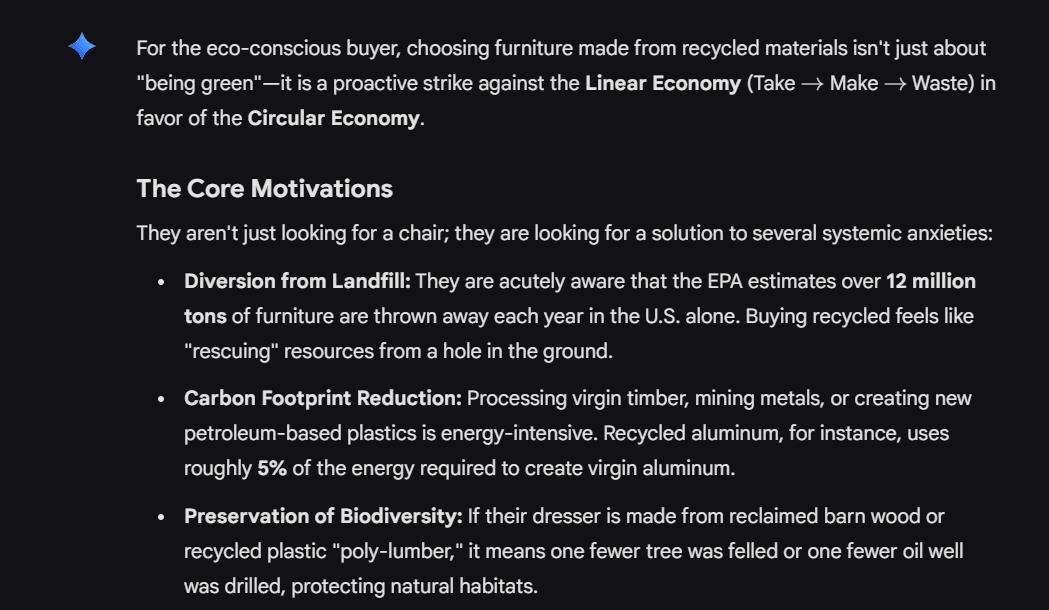
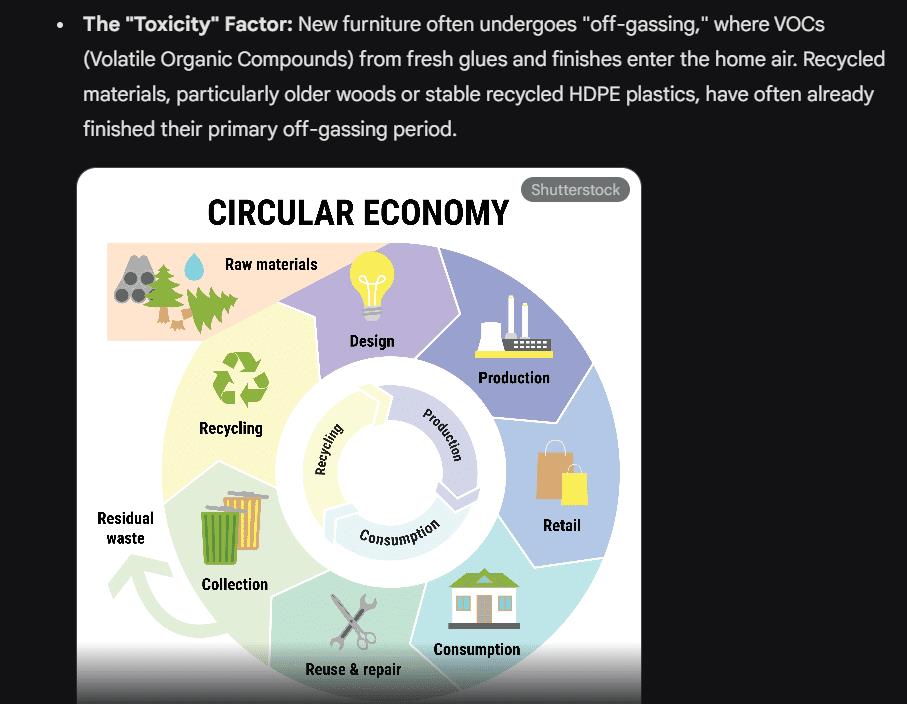
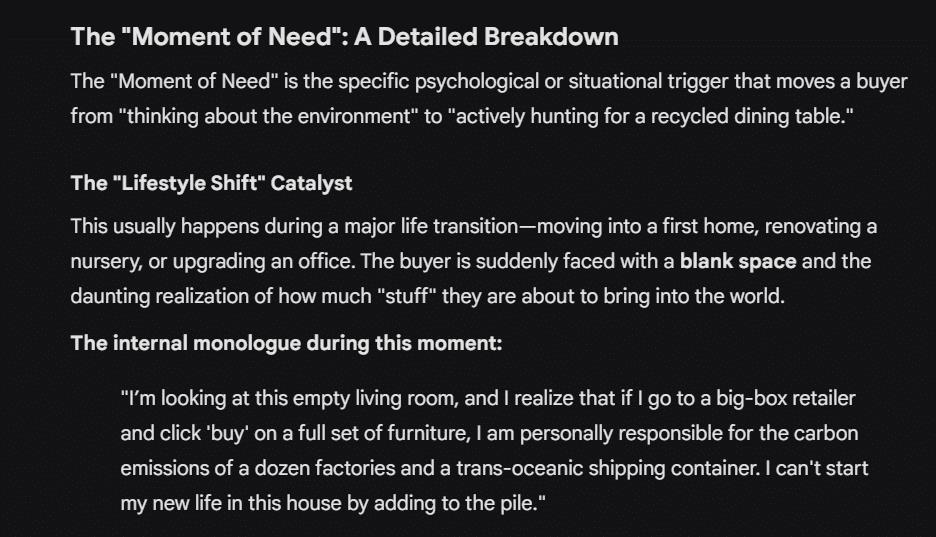
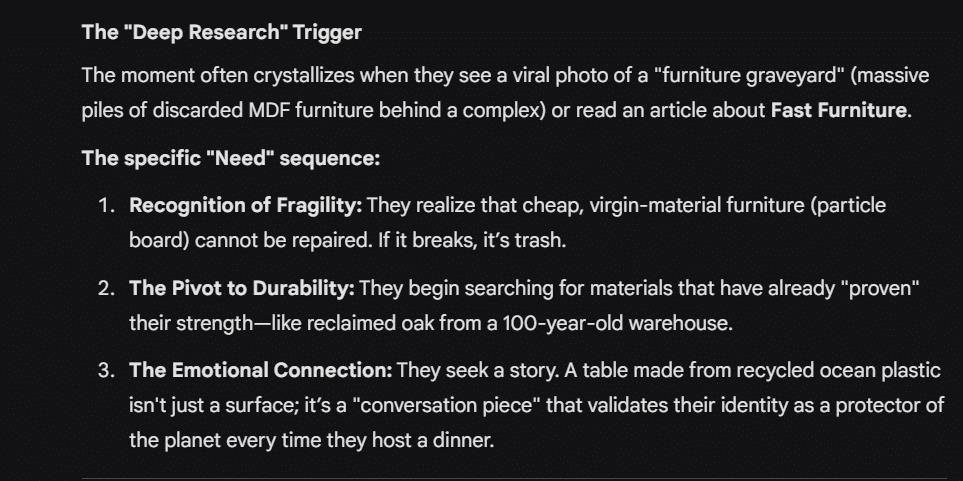
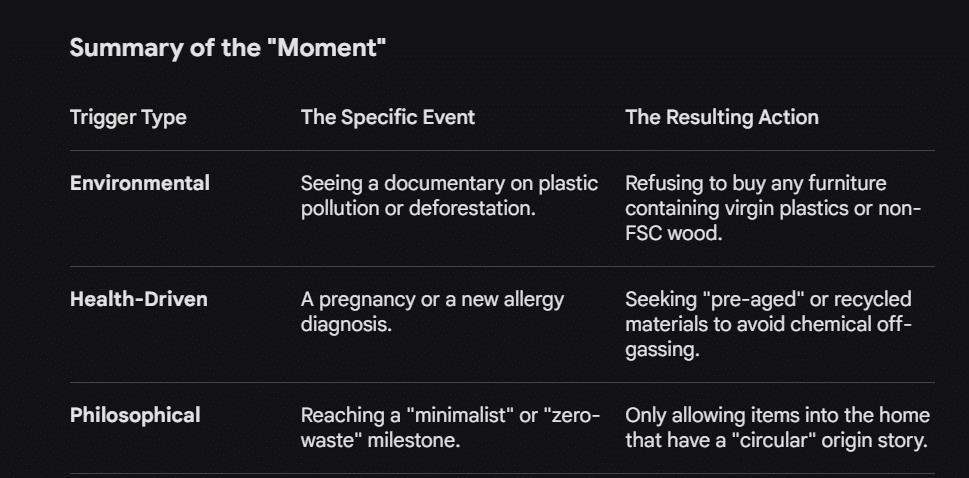
AI doesn’t truly capture the thoughts of real people, but you can still present Gemini’s list of reasons for seeking help to actual people in your target audience. That way, you can see if they agree with the response. Then, you can adjust the list accordingly.
5. What information would help move this person down the sales funnel?
Developing a website content strategy that considers every touchpoint in the conversion process is a smart idea. When you provide enough information, your target audience will decide whether to purchase your product or service.
Here’s a prompt that you can use to find out what information to include in your marketing materials to increase conversions:
What information would the eco-conscious buyer need about a furniture company to help them decide to make a purchase?
Take a look at Gemini’s response:


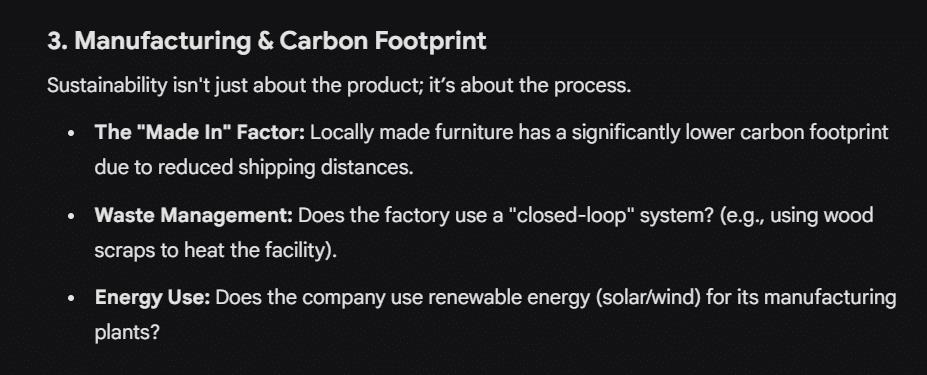
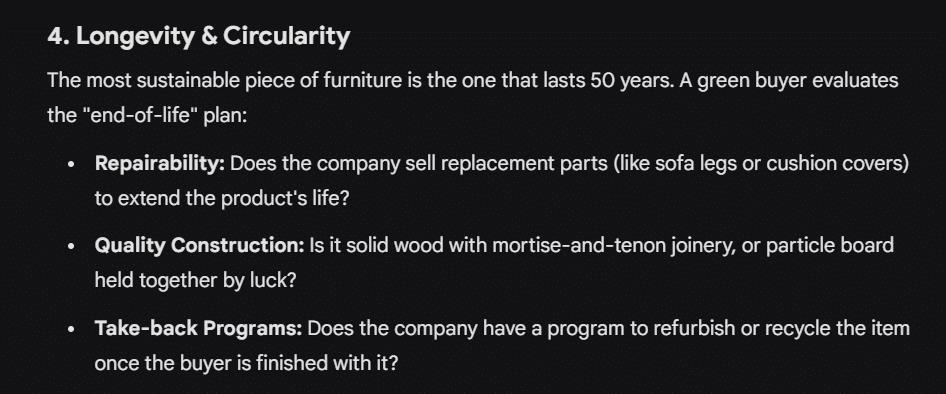
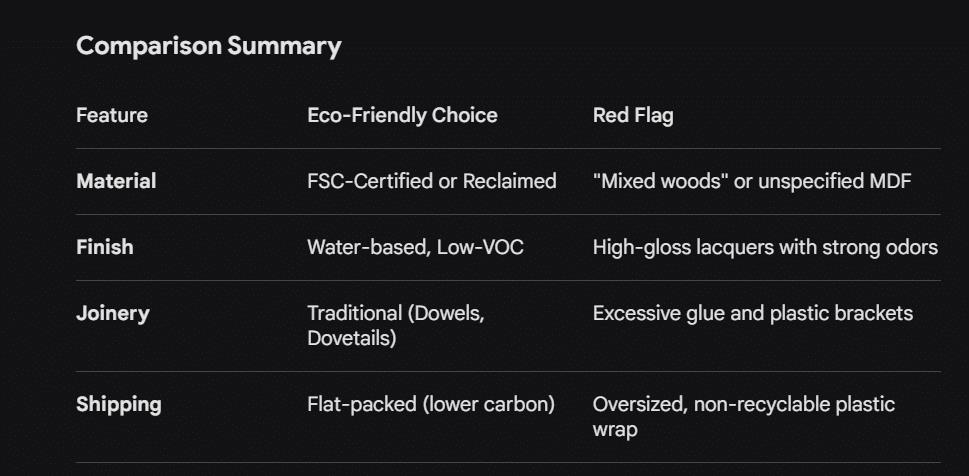
Diving into the decision-making process of your target audience gives you an advantage over your competitors because it helps you determine what to emphasize in your web content.
Bonus: Best Practices to Keep in Mind When Working with AI for Persona Development
Here are a few more tips that will help you in the process of creating a marketing persona with the help of AI:
- Keep a “human in the loop”: AI should enhance, not replace, human intelligence and creativity. A human must vet AI-generated personas to avoid bias and ensure accuracy.
- Leverage personas strategically in web design: Once you build a persona, use it for guidance when determining the best ways to update your site’s navigation and user journeys. Reference your persona information when creating content mapping strategies. For example, ask AI for three content types: an educational blog (Top of the Funnel), a case study (Middle), and a technical spec sheet (Bottom).
- Brainstorm “campaign spikes”: Don’t just wait for audience members to find your website. Proactively reach them during high-intent windows. For instance, if your nonprofit is launching a major fundraising gala or a new community initiative, use your AI-generated persona information to determine which platforms potential attendees frequent. From there, you can execute targeted tactics, such as behind-the-scenes video snippers or countdowns, to build hype.
In a nutshell, don’t leave everything to AI. Any persona that your AI of choice builds still needs human oversight to detect and correct mistakes. You should also remember that these AI-generated personas aren’t the end-all, be-all—if you don’t like them, you’re free to tweak them however you see fit.
AI as a Marketing Aid
AI shouldn’t replace your entire marketing plan, but it can help you refine your existing website marketing strategy. Using this tool as an aid will save you time and allow you to gain insight into your target audience that you may not have found through traditional methods. As a result, you can better understand your customers and attend to their needs more effectively.
Read More
By: Giana Reno
Title: 5 Questions to Ask AI to Help Develop Marketing Personas
Sourced From: marketinginsidergroup.com/artificial-intelligence/5-questions-to-ask-ai-to-help-develop-marketing-personas/
Published Date: Fri, 24 Apr 2026 10:00:38 +0000