.png)
You may not know it, but creativity is at the center of marketing success. Campaigns, strategies, and content all rely on fresh, interesting ideas. But here’s the truth – creativity doesn’t just happen. It’s shaped by the environment you create at work.
If you want better results from your team, you need a work culture for marketers that encourages imagination, invites collaboration, and pushes ideas forward. That’s where things start to get super fun!
Quick Takeaways
- Work culture for marketers shapes how new ideas come to life.
- Creativity grows when people feel safe to take risks and test ideas.
- Physical space, tools, and leadership styles all affect creative flow.
- Collaboration works best when people know their voices matter.
- Small daily habits—like feedback and brainstorming—can push creativity forward.
What Culture in the Workforce Really is
First, a note on how we define culture in the workplace and how it helps us on a larger scale.
Culture isn’t a slogan or a one-time initiative. It’s the collective behavior, mindset, and shared expectations that guide how people interact and work together. Every company has a culture—whether it’s intentional or not. The question is whether that culture drives progress or slows it down.
How Culture Shapes Creative Marketing Output
Marketing teams thrive in environments where curiosity, open discussion, and experimentation are encouraged. A culture that values these qualities empowers teams to test new ideas and refine campaigns with confidence.
By contrast, a culture that prioritizes rigid processes or punishes mistakes often limits creativity. Over time, that kind of environment makes people hesitant to take risks, which directly impacts the quality of work produced.
Culture’s Role in Engagement and Retention
A strong culture also keeps people motivated and connected. Teams want to feel like their contributions matter. When a workplace rewards initiative, respects diverse perspectives, and values collaboration, employees are more invested in outcomes. That energy fuels stronger campaigns and builds momentum that carries across projects.
Decision-Making and Collaboration
Culture doesn’t just influence how people feel; it also impacts how decisions get made. In a healthy culture, transparency is the norm. Teams share data openly, align on goals, and make decisions collaboratively. That clarity speeds up execution. In contrast, an unhealthy culture creates confusion with hidden agendas or inconsistent leadership. Those conditions slow projects and create unnecessary frustration.
Adaptability in Changing Conditions
Workforces face constant change, from new tools to shifting customer expectations. Teams with strong cultures can adapt more easily because trust and communication already exist. Instead of resisting change, they respond with flexibility. That adaptability makes it easier to test strategies, learn from results, and keep moving forward.

Image source
Why Culture Shapes Creativity
Now that you know a little bit more about culture, let’s talk creativity.
Culture sets the tone for how people think and act. In marketing, that means how your team approaches projects, shares feedback, and handles new ideas.
If you have a culture that rewards safe choices, your campaigns will look safe too. If you encourage curiosity and allow room for experimentation, you’ll see fresher concepts on the table.
That’s why shaping a creative work culture for marketers isn’t optional—it’s the foundation of every campaign you run. Here’s a cool study if you want to dive even deeper into this topic, by the way.
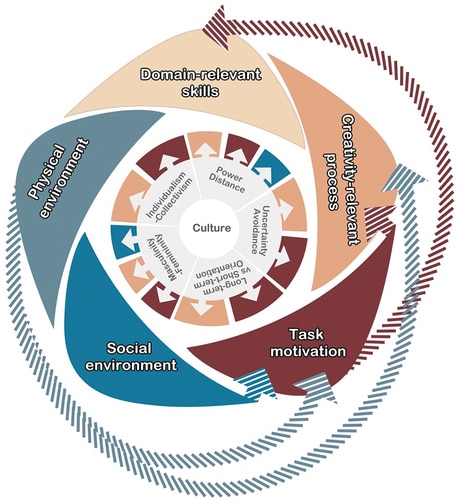
Image source
How to Inspire Creativity at Work
Creativity isn’t a “one-and-done” event. It’s a process, and work culture either supports it or blocks it. If you want to inspire creativity at work, start with these approaches:
1. Give People Permission to Experiment
Ideas can’t flow if people worry about being wrong. Create space for testing, trying, and even failing. Teams that feel safe taking risks are more likely to pitch fresh concepts and refine them into winning campaigns.
2. Make Collaboration Easy
Collaboration isn’t just about meetings. It’s about building a system where everyone feels heard. Try tools that let people share thoughts in real time. Rotate who leads brainstorming sessions. The point is to keep everyone involved and energized.
3. Support Different Thinking Styles
Not everyone generates ideas the same way. Some thrive in group settings, while others prefer solo time before they share. A strong culture balances both. Allow quiet prep before team discussions, and don’t pressure everyone to speak immediately.
4. Keep Feedback Constructive
Feedback builds ideas up, not tears them down. Create a rule that criticism must come with a suggestion for improvement. That way, people stay motivated to keep iterating without fear of being shut down.
5. Celebrate Wins—Big and Small
A finished campaign isn’t the only milestone worth celebrating. Shout out small wins like a bold idea pitched in a meeting or a new design draft that looks promising. It reinforces creative behavior and keeps morale high.
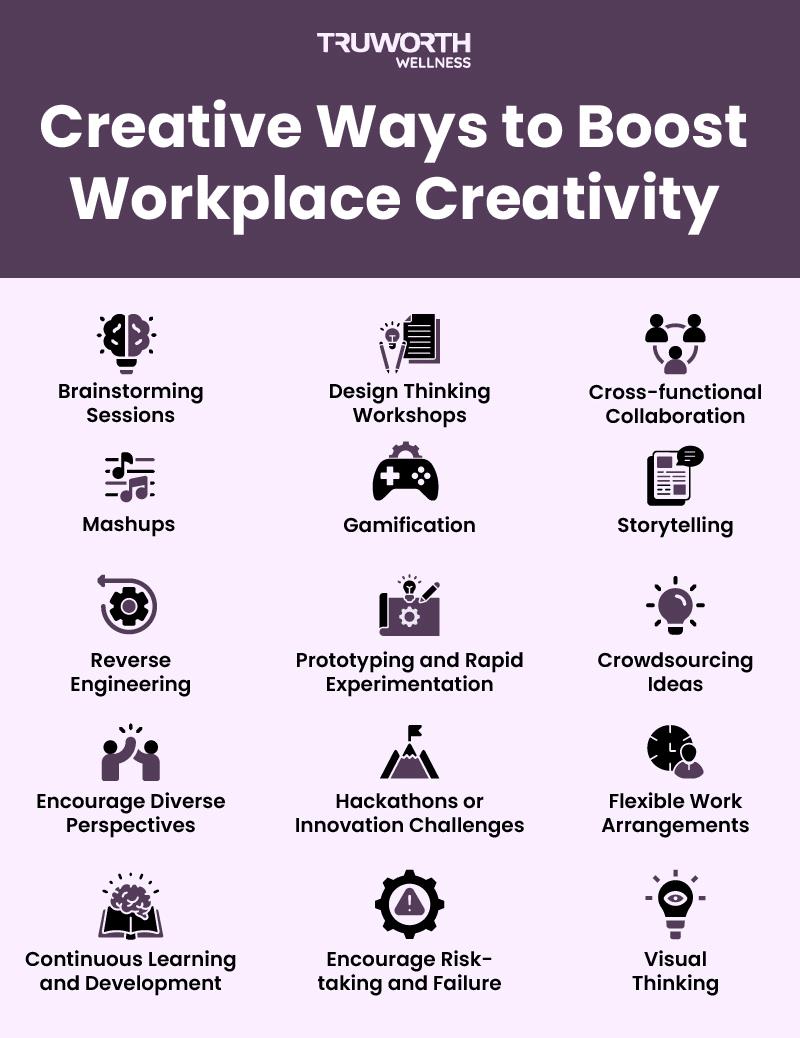
Image source
Building the Right Environment
Physical and digital environments play a big role in how creative people feel. If your office or remote setup doesn’t inspire, ideas will feel stuck too.
- Workspaces matter. Comfortable seating, whiteboards, sticky notes, and collaborative tools can spark imagination.
- Flexibility counts. Let people choose when they work best. Some have peak creative hours early morning; others find flow later in the day.
- Breaks help. Nonstop meetings drain energy. Short breaks between tasks refresh the brain and open space for new ideas.
A creative culture grows when people feel comfortable in the space around them.
Leadership’s Role in Creativity
Leaders have a big influence on work culture. Managers who only care about deadlines and approvals block creativity. Managers who listen, encourage, and guide inspire new thinking.
Leadership tips for inspiring creativity:
- Set clear goals but stay flexible about how to reach them.
- Encourage open communication during brainstorming.
- Step back sometimes—let the team own ideas.
- Show that creativity is valued by acting on new suggestions.
When leaders model curiosity and openness, it signals to the team that creative risk-taking is safe.
Processes That Support Creative Flow
Processes may not sound creative, but they can free up time for big ideas. Without structure, teams spend energy juggling logistics instead of building campaigns.
Consider processes like:
- Regular brainstorming sessions. Short, frequent meetings keep ideas flowing.
- Clear timelines. Set expectations without micromanaging.
- Feedback cycles. Make revisions part of the plan, not a last-minute scramble.
- Idea capture systems. Use shared docs, chat channels, or apps to log creative thoughts before they disappear.
These steps keep projects moving while leaving room for innovation.
Encouraging Collaboration Across Teams
Marketers don’t work alone. Creativity gets stronger when you bring in perspectives from sales, product, or customer service. Cross-team collaboration makes campaigns more practical and better aligned with real needs.
Ways to build collaboration across departments:
- Invite guest voices to brainstorming sessions.
- Share early drafts with other teams for feedback.
- Create project groups that include multiple roles.
Different viewpoints often lead to the best ideas.
Overcoming Barriers to Creativity
Not every culture starts out supportive. You may run into barriers like strict rules, limited budgets, or risk-averse leaders. That doesn’t mean creativity is impossible—it means you’ll need strategies to break through.
Common barriers and how to handle them:
- Fear of failure. Emphasize learning from mistakes instead of punishment.
- Time pressure. Block out “creative hours” free from urgent tasks.
- Lack of resources. Use low-cost tools and focus on brainstorming over production-heavy ideas.
Addressing barriers shows your team that creativity isn’t optional—it’s a priority.
The Link Between Culture and Marketing Performance
Work culture for marketers doesn’t just make the job more fun. It ties directly to performance. Campaigns that feel unique and engaging often come from teams who felt free to create.
When creativity thrives, performance improves in areas like:
- Brand differentiation.
- Audience engagement.
- Campaign originality.
- Employee satisfaction and retention.
In other words, inspiring creativity at work isn’t just good for morale—it pays off in results.
Small Habits That Make a Big Difference
Culture isn’t built overnight. It grows from small actions repeated daily. Start with habits like:
- Kicking off meetings with an icebreaker question.
- Encouraging team members to share one new idea each week.
- Rotating who leads discussions to spread ownership.
- Sending quick notes of appreciation for creative contributions.
These habits compound into a culture where creativity feels natural.
How Do You Build Your Creative Culture?
Now it’s your turn. You’ve seen how work culture for marketers sets the tone for everything your team creates. You’ve learned how to inspire creativity at work with supportive leadership, collaboration, and daily habits. You’ve also seen the connection between creativity and stronger marketing performance.
So here’s the question—what changes can you make today to build a culture that fuels creativity tomorrow? Because the sooner you start shaping culture, the sooner you’ll see the results in your campaigns.
If you need to find creative solutions for your brand now, check out our Content Builder Service. Set up a quick consultation, and we’ll help you build a business you’re proud of! Get started today and generate more traffic and leads.
Read More
By: Giana Reno
Title: How to Build a Creative Work Culture That Boosts Marketing Performance
Sourced From: marketinginsidergroup.com/branding/how-to-build-a-creative-work-culture-that-boosts-marketing-performance/
Published Date: Tue, 16 Dec 2025 11:00:05 +0000