.png)
Most marketing teams track data every day. They watch traffic rise and fall. They monitor form fills, email opens, and campaign performance. Yet many still struggle to improve lead quality in a reliable way. The issue usually comes from how teams apply their data rather than how much of it they collect. When Marketing Data Analysis connects directly to real buying behavior, Lead Generation Analytics becomes a growth lever rather than a reporting exercise. The value sits in how teams interpret patterns, prioritize actions, and adjust execution based on what the data actually shows.
This article breaks down how to use data in a practical way to improve lead quality, sharpen targeting, and create stronger alignment between marketing activity and revenue impact.
Quick Takeaways
- Lead Generation Analytics delivers value when it connects directly to revenue and sales activity.
- Marketing Data Analysis works best when teams focus on behavior, not only volume.
- Data-driven lead generation improves targeting, content performance, and funnel efficiency over time.
Start With Revenue-Based Lead Generation Analytics
Many teams begin their reporting with traffic and click performance. These signals offer early insight, yet they rarely explain whether lead generation supports the business pipeline.
Connect Performance To Revenue Outcomes
Strong Lead Generation Analytics begins with attribution that ties marketing activity to sales performance. Teams gain far more clarity when they understand which programs produce leads that move into opportunity stages and closed deals rather than only which efforts generate volume.
This connection reshapes how teams evaluate success. Programs that produce fewer leads may generate stronger revenue contribution. Programs that generate heavy volume may create downstream friction for sales.
Align Sales And Marketing Data Definitions
Misalignment between marketing and sales creates reporting blind spots. Marketing Data Analysis becomes unreliable when each team defines lead quality differently. Clean alignment includes shared definitions of lead stage, qualification thresholds, and handoff timing.
When both teams evaluate success using the same data language, optimization becomes grounded in shared business reality instead of departmental opinion.
Use Behavioral Data To Improve Lead Quality
Lead volume alone rarely reflects readiness to buy. Behavioral data reveals how prospects interact with your content and brand across the buying process.
Focus On Engagement Trends Over Isolated Actions
Single actions rarely indicate intent. Patterns do. Behavioral data helps identify how prospects move across properties and content assets over time. This includes return visits, depth of content consumption, and shifts in focus across topic categories.
When Marketing Data Analysis captures that progression clearly, teams move beyond surface performance and into intent-driven evaluation.
Identify Signals That Indicate Sales Readiness
Not all engagement reflects purchasing momentum. Lead Generation Analytics improves when teams isolate behaviors tied to readiness. Examples include repeated visits to solution content, engagement with product documentation, and return interactions with implementation resources.
These indicators help refine both lead scoring models and sales prioritization strategies.
Apply Marketing Data Analysis To Content Performance
Content often anchors lead generation, yet many teams still evaluate it through basic engagement metrics alone.
Measure Content Influence Across The Funnel
Effective content analysis looks beyond how many people view a piece and examines how that exposure shapes movement through the funnel. Marketing Data Analysis should surface which content assets repeatedly appear in conversion paths and which support late-stage velocity.
This insight allows teams to focus investment on content that shapes real buyer decisions rather than only top-of-funnel attention.
Refine Topics Using Performance Signals
Topic strategy improves when teams review:
- How topic clusters perform across search visibility
- How long users engage with each category
- Which topics show consistent influence on conversions
These performance indicators guide smarter editorial planning and reduce reliance on guesswork.
Use Funnel Data To Strengthen Conversion Rates
The lead funnel reveals where momentum accelerates and where it slows. Without this visibility, optimization efforts often target surface-level symptoms instead of root causes.
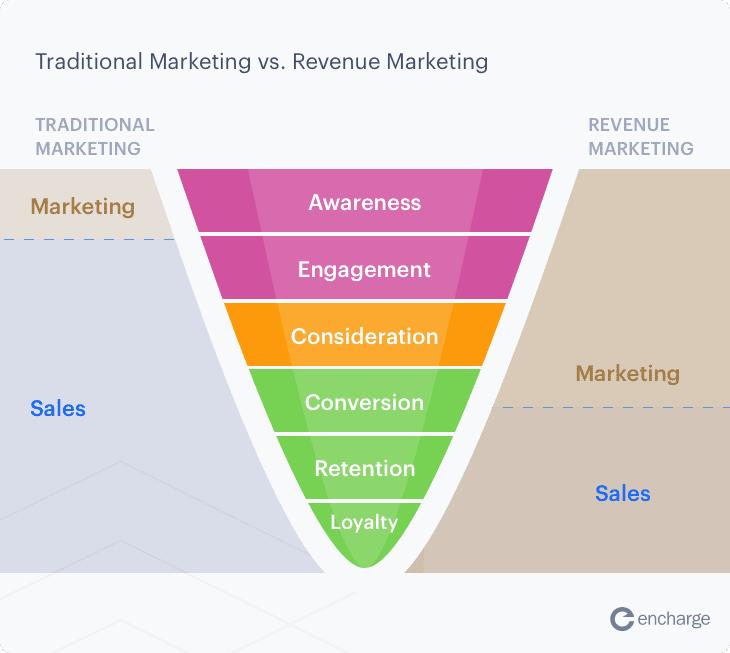
Image Source
Identify Where Prospects Lose Momentum
Funnel reporting reveals specific stages where leads stall. This may include early friction in form completion, delays in follow-up, or weak alignment between messaging at different stages.
When Lead Generation Analytics highlights precise drop-off points, teams can target fixes with clarity rather than default to broad campaign changes.
Improve Speed And Quality Of Lead Handoff
Follow-up timing and message relevance shape conversion more than most teams expect. Funnel data exposes how response speed and channel alignment influence conversion outcomes.
Even small improvements in handoff efficiency often deliver measurable gains when supported by consistent Marketing Data Analysis.
Segment Lead Data For More Accurate Targeting
Aggregate averages rarely guide effective targeting decisions. Segmentation uncovers performance differences hidden inside blended reports.
Build Segments Based On Fit And Behavior
Effective segmentation combines firmographic profile with engagement depth. This layered view shows which segments deliver consistent performance and which drain internal resources without meaningful return.
Segmentation often includes:
- Company size bands
- Industry categories
- Role or buying group alignment
- Engagement depth indicators
- Source and channel origin
This structure helps teams understand not only who converts but under what conditions.
Use Segment Performance To Adjust Campaign Strategy
Segment-specific insights guide campaign adjustments with precision. Messaging tone, content format, and outreach timing all shift based on how different audiences move through the funnel.
Marketing Data Analysis becomes operational when segmentation shapes planning decisions instead of remaining a reporting artifact.
Standardize Your Lead Generation Analytics Framework
Many teams struggle with inconsistent reporting because metrics shift by channel, campaign, or stakeholder request.
Define A Core Set Of Performance Indicators
Rather than track dozens of disconnected numbers, effective programs rely on a focused measurement framework that reflects:
- Lead quality indicators
- Conversion velocity
- Qualification movement
- Pipeline influence
- Revenue contribution
This consistency allows teams to compare results over time and identify durable trends.
Maintain Data Hygiene As A Standing Practice
Marketing Data Analysis loses credibility when data quality erodes. Ongoing audits help remove duplicate records, correct misattributed sources, and fill incomplete firmographic fields. Clean data protects the integrity of all downstream reporting.
Let Lead Generation Analytics Guide Testing Strategy
Testing programs generate insight only when teams measure impact through the right lens.
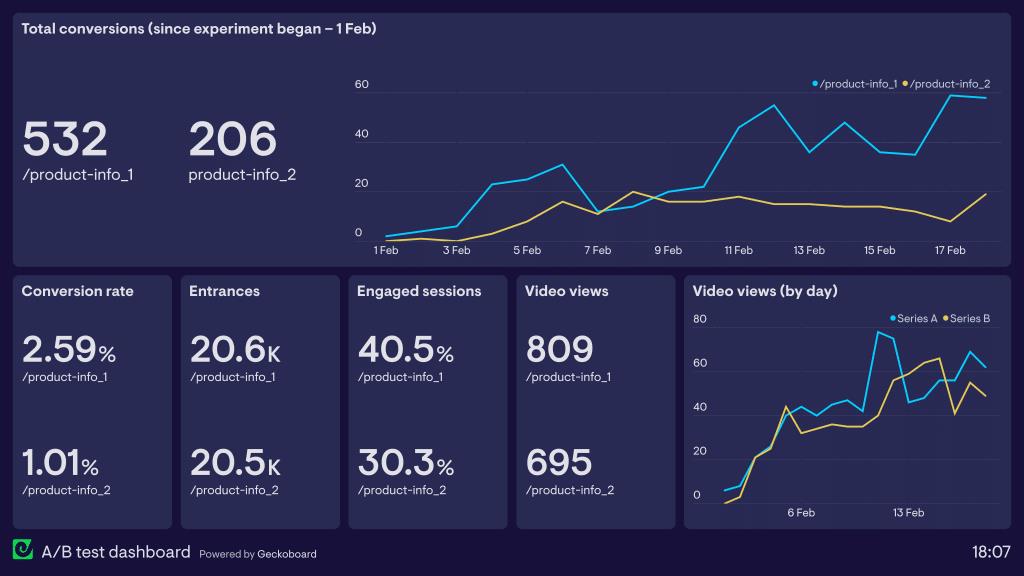
Image Source
Prioritize Tests That Influence Conversion Outcomes
Effective testing focuses on areas tied directly to lead improvement rather than surface engagement. These areas often include form structure, landing page flow, content sequencing, and follow-up timing.
When Lead Generation Analytics tracks the full lead lifecycle, each test adds compound learning instead of isolated performance data.
Apply Controlled Testing Cadence
Random experimentation produces noisy results. Structured testing with controlled variables allows Marketing Data Analysis to reveal real cause-and-effect relationships across both content and campaign execution.
Build A Closed-Loop Feedback System With Sales
Data-driven lead generation reaches full impact only when feedback flows continuously between marketing and sales.
Use Sales Input To Validate Lead Signals
Sales teams observe buying behavior in real time. Their insights help confirm whether self-reported readiness aligns with actual deal momentum. Lead Generation Analytics gains power when sales input shapes scoring thresholds and qualification logic.
Sync Reporting Across Revenue Teams
Shared dashboards align teams around the same goals and outcomes. This alignment turns Marketing Data Analysis into a daily operational tool rather than a monthly reporting ritual.
Using Data To Build A More Predictable Lead Engine
Data does not create effectiveness on its own. Teams create effectiveness through how they interpret patterns, refine execution, and apply disciplined testing over time.
When Lead Generation Analytics focuses on revenue influence, behavioral intent, segmentation clarity, and sales alignment, it delivers reliable improvement without constant channel pivots. Marketing Data Analysis becomes a strategic asset that supports growth with stability rather than volatility.
Strengthen Your Lead Strategy With Data Today With Marketing Insider Group
Smart use of data creates consistency in lead quality, targeting precision, and funnel performance. Teams that commit to disciplined Lead Generation Analytics gain control over growth outcomes instead of reacting to surface trends.
Want to build a data-driven lead engine? Subscribe to Marketing Insider Group for expert insights that improve lead performance, strategy execution, and marketing ROI.
Read More
By: Lauren Basiura
Title: How to Use Data to Make Your Lead Generation More Effective
Sourced From: marketinginsidergroup.com/demand-generation/how-to-use-data-to-make-your-lead-generation-more-effective/
Published Date: Mon, 15 Dec 2025 11:00:28 +0000
Did you miss our previous article...
https://trendinginbusiness.business/business/companies-face-60000-fines-under-plans-to-extend-righttowork-checks-to-freelancers