.png)
Demand generation breaks when growth depends on manual effort. Campaigns multiply. Channels expand. Lead volume increases. Without automation, teams struggle to keep pace and maintain consistency.
Marketing automation plays a central role in scaling demand generation because it adds structure where manual processes fall short. It connects systems, standardizes execution, and ensures every interaction follows a defined path.
When paired with strong CRM integration strategies, marketing automation tools help teams move beyond isolated campaigns and build a demand engine that supports growth.
Quick Takeaways
- Marketing automation enables consistent execution at scale
- CRM integration strategies improve lead quality and visibility
- Automation supports better segmentation and timing
- Demand generation scales faster with aligned data systems
- Measurement improves when systems share a single source of truth
Why Demand Generation Becomes Harder at Scale
Early demand generation efforts often rely on small teams and hands-on execution. That approach works until volume increases. As audiences grow, so do data sources, content needs, and follow-up requirements.
Manual workflows struggle to keep up with:
- Increased lead volume
- More complex buyer journeys
- Higher expectations for personalization
- Greater pressure to prove ROI
Without automation, teams face delays, inconsistent messaging, and data gaps. These issues limit growth and reduce the impact of demand generation programs.
Marketing automation provides the framework needed to manage scale without sacrificing quality.
How Marketing Automation Supports Scalable Demand Generation
Marketing automation tools bring structure to demand generation by managing repetitive tasks and enforcing process consistency. This allows teams to focus on strategy instead of execution details.
Automation supports scale in several ways.
Consistent Lead Nurturing
Automation ensures every lead receives timely follow-up based on behavior and stage. Emails trigger automatically. Content aligns with intent. No lead depends on manual intervention to move forward.
This consistency improves engagement and prevents leads from stalling due to missed handoffs or delays.
Smarter Segmentation
Automation tools segment audiences based on behavior, demographics, and engagement patterns. As data updates, segments update automatically.
This allows campaigns to remain relevant even as audience size grows. Messaging stays targeted without increasing manual effort.
Faster Campaign Execution
Automation speeds up deployment. Teams can launch campaigns across multiple channels without rebuilding workflows each time.
Standardized templates and workflows reduce setup time and support rapid testing and iteration.
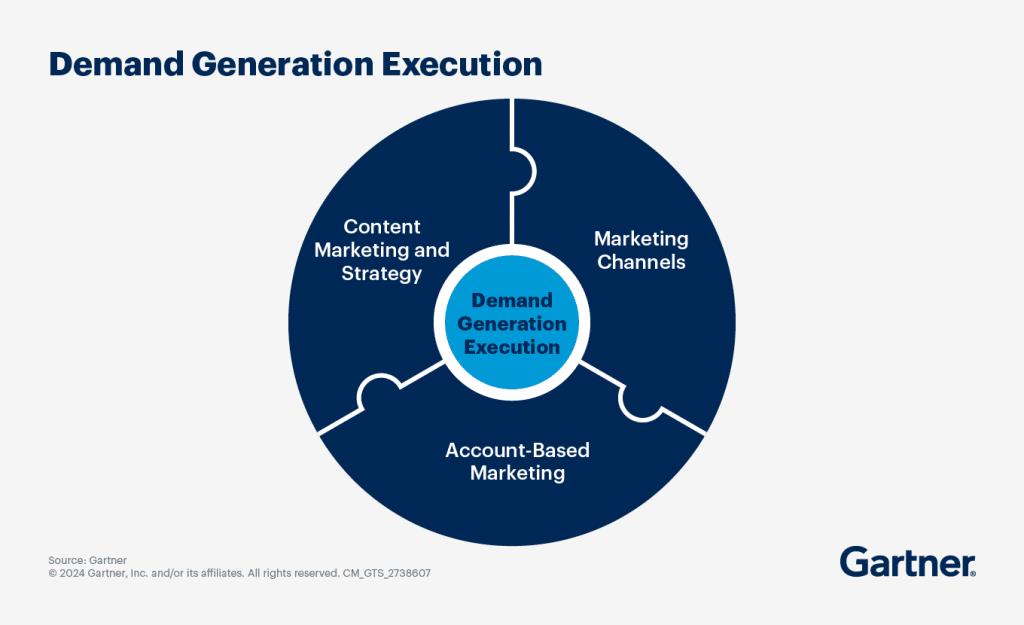
Image Source
The Importance of CRM Integration Strategies
Marketing automation delivers its full value only when integrated with a CRM. Without integration, data remains fragmented and teams lose visibility across the funnel. Strong CRM integration strategies align marketing and sales around shared data and goals.
Unified Lead Data
CRM integration ensures that lead data flows seamlessly between systems. Engagement history, scoring, and source information remain visible to both teams. This shared context improves qualification and follow-up. Sales teams see how leads interacted with content before outreach begins.
Clear Ownership and Handoffs
Integration clarifies when a lead transitions from marketing to sales. Automation rules define handoff criteria based on behavior and scoring. This reduces confusion and prevents leads from falling through gaps between teams.
Better Feedback Loops
CRM data informs marketing strategy. Closed-won outcomes, deal velocity, and conversion rates feed back into automation systems. Marketing teams gain insight into which campaigns drive revenue, not just activity.
Aligning Marketing Automation with Buyer Journeys
Demand generation succeeds when automation aligns with how buyers research and decide. Automation should support the journey, not force leads into rigid paths. Effective alignment focuses on timing and relevance.
Behavior-Based Triggers
Automation tools respond to actions rather than assumptions. Content downloads, page visits, and event attendance trigger next steps. This approach respects buyer pace and ensures communication matches interest level.
Stage-Based Messaging
Automation adjusts messaging as leads progress. Early-stage content educates. Mid-stage content builds confidence. Late-stage content supports decision-making. Clear stage definitions help automation deliver the right message at the right time.
Multi-Channel Coordination
Automation coordinates messaging across email, ads, and web experiences. Buyers receive consistent signals regardless of channel.This coordination strengthens brand recognition and improves conversion rates.
Scaling Measurement and Attribution
As demand generation scales, measurement complexity increases. More channels and campaigns require clearer attribution and reporting.
Marketing automation tools support better measurement through structured data capture.
Standardized Tracking
Automation enforces consistent tracking across campaigns. Every interaction ties back to a lead record.
This consistency improves reporting accuracy and reduces reliance on manual data cleanup.
Funnel Visibility
Integrated systems provide visibility into how leads move through the funnel. Teams can track progression, delays, and drop-off points.
This insight supports optimization and prioritization.
Revenue Alignment
When automation connects to CRM data, teams can tie demand generation efforts to pipeline and revenue outcomes.
This alignment strengthens reporting and supports strategic decision-making.
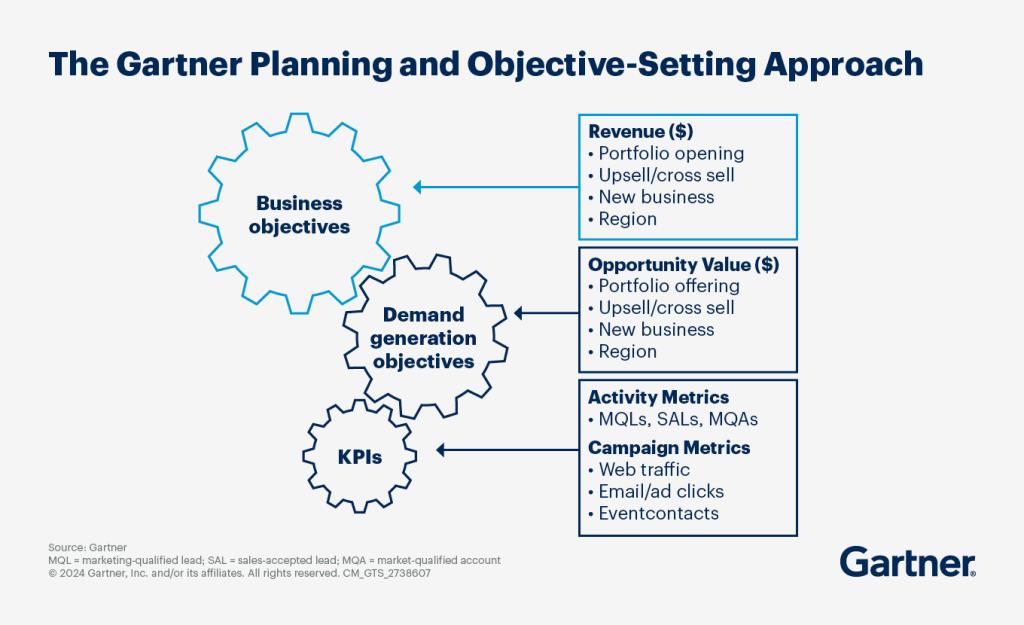
Image Source
Common Challenges and How Automation Helps Address Them
Scaling demand generation introduces challenges that automation helps manage when implemented thoughtfully.
Data Overload
More leads generate more data. Automation organizes that data through scoring, segmentation, and prioritization.
Teams focus on signals that matter instead of raw volume.
Inconsistent Processes
Automation enforces process standards. Every campaign follows defined rules, regardless of who executes it.
This consistency supports quality and reduces risk as teams grow.
Resource Constraints
Automation reduces reliance on manual work. Teams manage higher volumes without proportional increases in headcount.
This efficiency supports sustainable growth.
Building a Scalable Demand Generation Foundation
Marketing automation alone does not guarantee success. Strategy and execution still matter. The goal is to use automation to support clear objectives and aligned teams.
A strong foundation includes:
- Defined buyer stages and criteria
- Agreed-upon lead qualification rules
- Integrated data systems
- Regular performance review
When these elements align, marketing automation tools amplify demand generation instead of complicating it.
Scale Demand Generation Today With Marketing Insider Group
Scaling demand generation requires more than launching new campaigns. It requires systems that support growth without losing control or clarity.
Marketing automation and CRM integration strategies provide that foundation. Teams that invest in alignment, structure, and measurement build demand engines that scale with confidence.
Want to build a data-driven lead engine? Subscribe to Marketing Insider Group for expert insights that improve lead performance, strategy execution, and marketing ROI.
Read More
By: Lauren Basiura
Title: The Role of Marketing Automation in Scaling Demand Generation
Sourced From: marketinginsidergroup.com/demand-generation/the-role-of-marketing-automation-in-scaling-demand-generation/
Published Date: Tue, 27 Jan 2026 11:00:29 +0000