.png)
Marketing teams have more data than ever. That has not made decision-making easier.
Campaigns now span paid, owned, and earned channels. Buyers move between touchpoints without linear paths. Attribution models struggle to keep up. And dashboards multiply faster than insight.
By 2026, the difference between high-performing teams and everyone else will not come down to how much data they collect. It will come down to how well they connect it.
That is why multi-channel marketing tools and modern marketing analytics software in 2026 must do more than report performance. They must explain it.
Quick Takeaways
- Cross-channel analytics matters more than single-channel optimization
- The best tools unify data instead of adding dashboards
- Attribution clarity will outweigh attribution perfection
- Flexibility and integration will matter more than feature depth
- Insight velocity will become a competitive advantage
Why Cross-Channel Analytics Is No Longer Optional
Buyers do not experience marketing in silos. They encounter brands across search, social, email, content, and paid media in overlapping ways.
Analytics tools that treat channels independently create blind spots. They show activity without context. They reward teams for local wins that may not move overall performance.
By 2026, effective analytics must answer questions that span channels:
- What actually influences conversion
- Where prospects stall or drop off
- Which combinations of touchpoints matter most
Cross-channel analytics shifts focus from isolated metrics to shared outcomes. That shift is no longer optional for teams that care about growth efficiency.
The Best Tools Will Prioritize Data Unification Over Data Volume
Many analytics platforms promise more data. That promise rarely delivers clarity.
The strongest marketing analytics in 2026 will focus on unification. It will bring disparate datasets together into a consistent, usable view.
This means:
- Shared definitions across channels
- Normalized metrics that allow comparison
- A single source of truth for performance
Tools that require manual stitching or constant reconciliation will lose relevance. Teams cannot afford slow insight cycles when budgets tighten and expectations rise.
Unification reduces friction. It allows marketers to spend time acting instead of validating.
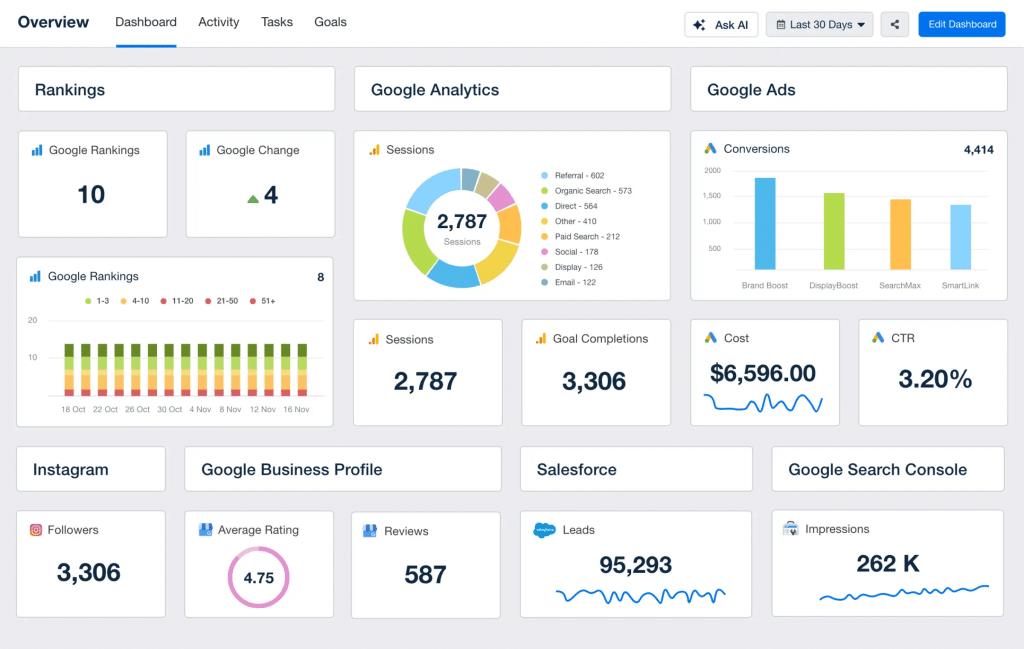
Image Source
Attribution Will Shift From Accuracy to Usefulness
Perfect attribution remains elusive. It likely always will.
By 2026, smart teams will stop chasing precision for its own sake. Instead, they will evaluate whether attribution models help them make better decisions.
Effective attribution tools will:
- Highlight directional impact
- Reveal supporting versus leading channels
- Adjust based on buying behavior changes
This is not about finding a single “right” model. It is about choosing models that align with how buyers actually move.
Tools that clearly explain tradeoffs will outperform those that hide assumptions behind complexity.
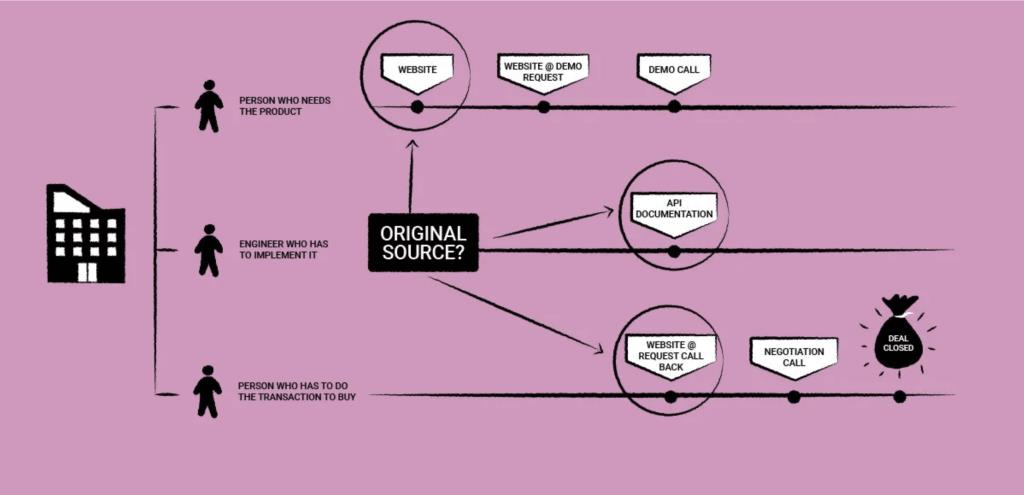
Image Source
Analytics Tools Must Support Strategy, Not Just Reporting
Reporting shows what happened. Strategy requires understanding why.
The best multi-channel marketing tools will move beyond static dashboards. They will surface patterns, trends, and anomalies that prompt action.
This includes:
- Alerts when performance shifts meaningfully
- Comparative views that show channel interplay
- Contextual insights tied to business goals
When analytics tools require heavy interpretation, they slow teams down. When they guide interpretation, they accelerate smarter decisions.
By 2026, analytics that cannot support strategy will feel incomplete.
Flexibility Will Matter More Than Feature Lists
Many platforms compete on features. Few compete on adaptability.
Marketing stacks evolve constantly. New channels emerge. Measurement priorities change. Tools that lock teams into rigid frameworks become liabilities.
The most valuable analytics platforms will:
- Integrate easily with existing tools
- Adapt to custom workflows
- Support evolving KPIs
Flexibility allows analytics to grow with the business instead of forcing process changes around software limitations.
This matters most for teams managing complexity at scale.
Cross-Channel Insight Will Reshape Team Alignment
Analytics does more than inform marketing. It shapes how teams collaborate.
When data lives in silos, teams optimize locally. When data connects channels, teams align around shared goals.
Cross-channel analytics helps:
- Marketing and sales share a performance narrative
- Leadership see impact beyond vanity metrics
- Teams prioritize work that drives outcomes
By 2026, analytics tools will increasingly serve as alignment tools. They will influence planning, budgeting, and execution across departments.
Why Buyer-Journey Continuity Will Define Analytics Value in 2026
Cross-channel analytics only works when it reflects how buyers actually move. By 2026, that movement will look even less linear than it does today.
Buyers jump between channels based on convenience, timing, and trust. They read content, disappear, return through paid search, engage with social proof, and convert through channels that rarely get full credit. Analytics tools that break this journey into isolated steps lose the story.
The most valuable marketing analytics software in 2026 will preserve continuity. It will track momentum, not just moments. Instead of treating interactions as separate events, it will show how interest builds over time across channels.
This matters because decision-making rarely happens at a single touchpoint. Buyers form opinions gradually. They validate ideas repeatedly. Cross-channel analytics must capture that progression or risk misrepresenting impact.
Tools that follow buyers across time, context, and channel shifts will support better planning and more realistic performance expectations. Tools that fragment the journey will continue to create false winners and misleading conclusions.
Measurement Speed Will Become a Competitive Advantage
The ability to act quickly separates leading teams from lagging ones.
Analytics tools that deliver insight weeks later fail modern marketing needs. Real-time or near-real-time visibility allows teams to adjust before waste compounds.
High-performing teams will favor tools that:
- Reduce lag between signal and action
- Surface insights without heavy customization
- Support rapid experimentation
Speed does not replace accuracy. It complements it. The right balance enables smarter iteration and faster learning.
Choosing the Best Tool Starts With the Right Questions
There is no universal “best” platform.
The best tool depends on how a team works, what it needs to measure, and how it plans to act on insight.
Before evaluating platforms, teams should ask:
- What decisions do we struggle to make today
- Where does data slow us down
- Which channels matter most to growth
Tools that solve real problems outperform those with the longest feature lists.
Build Smarter Cross-Channel Insight Today with Marketing Insider Group
The best cross-channel marketing analytics tools for 2026 will not simply track performance. They will connect data, clarify impact, and support better decisions.
As channels multiply and buyer journeys grow less predictable, analytics must evolve from reporting engines into strategic assets. Teams that invest in clarity, flexibility, and insight speed will outperform those chasing metrics in isolation.
Want to build a data-driven lead engine? Subscribe to Marketing Insider Group for expert insights that improve lead performance, strategy execution, and marketing ROI.
Read More
By: Lauren Basiura
Title: What Are the Best Cross-Channel Marketing Analytics Tools for 2026?
Sourced From: marketinginsidergroup.com/b2b-marketing/what-are-the-best-cross-channel-marketing-analytics-tools-for-2026/
Published Date: Tue, 10 Mar 2026 10:00:37 +0000
Did you miss our previous article...
https://trendinginbusiness.business/business/nigel-farage-invests-in-crypto-firm-led-by-kwasi-kwarteng