.png)
You’ve probably reached the point where juggling email campaigns, social posts, and lead tracking across multiple tools feels like an impossible task.
Luckily, that’s why marketing automation software exists! It helps you cut down on repetitive tasks, organize campaigns, and keep your leads moving through the funnel without burning you out. But here’s the catch: not all platforms are created equal.
So what should you look for? Let’s break it down to hopefully make your life a little easier.
Quick Takeaways
- CRM integration marketing software should be non-negotiable.
- Lead nurturing automation is the feature that keeps leads warm.
- Reporting and analytics need to be straightforward, not a math exam.
- Personalization is about treating people like humans, not data points.
- Ease of use is the dealbreaker — if your team won’t use it, it won’t help.
Why CRM Integration Marketing Software Matters
Think about your customer relationship management (CRM) system as the home base. It stores every interaction, purchase history, and conversation detail.
Now imagine if your marketing automation platform didn’t connect to it. That would mean jumping back and forth between systems, copying data manually, and hoping nothing slips through the cracks. Not fun.
When your automation platform easily connects to your CRM, all your data is in one place. Your sales team sees what marketing has been up to. Your marketing team sees which deals are close to closing. Everyone works from the same source.
What you gain with CRM integration:
- Consistent data: No duplicate records or mismatched fields.
- Clear visibility: Sales and marketing stay aligned without endless meetings.
- Personalization power: Emails, ads, and workflows pull directly from real customer data.
Without this integration, you’re basically overworking yourself and your team. And nobody wants that.
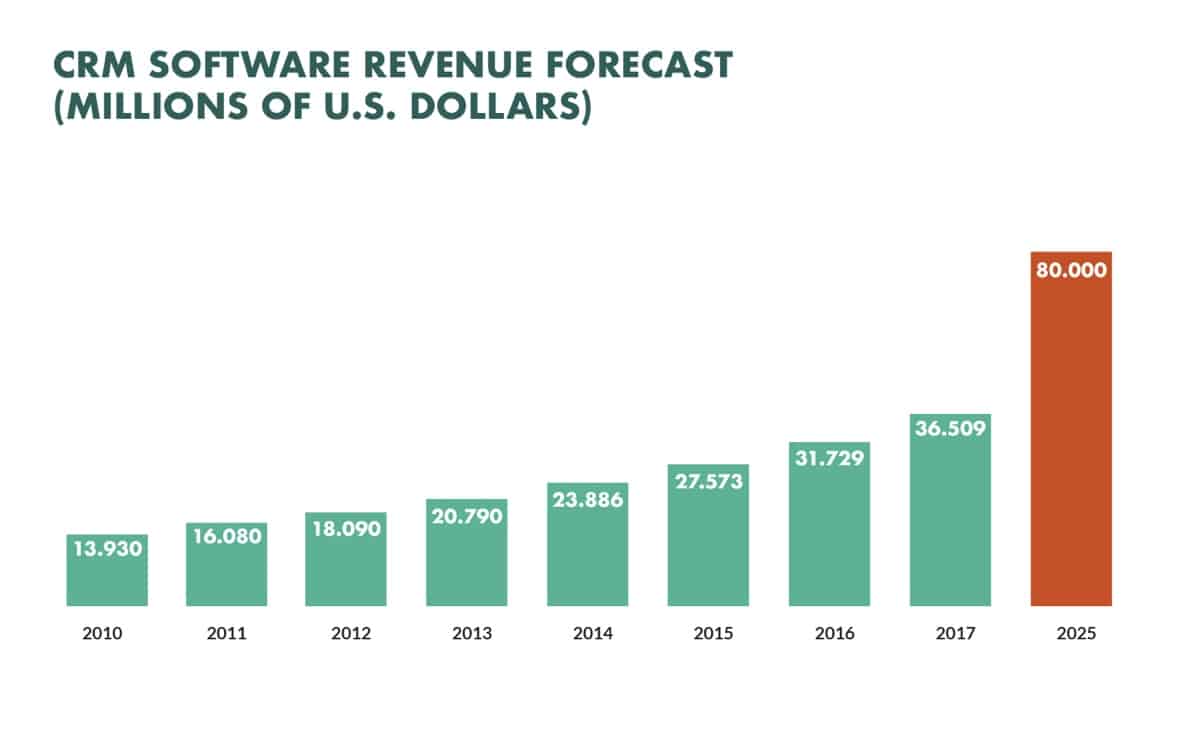
Image source
Lead Nurturing Automation: Your Secret Sales Assistant
Let’s be honest. Not every lead is ready to buy right away. Some are just curious. Others are comparing options. A few might be window shoppers.
That’s where lead nurturing automation swoops in and saves the day. Instead of blasting the same message to everyone, automation lets you set up journeys that respond to a lead’s behavior.
Open an email? They move to step two. Ignore it? They get a softer follow-up. Visit a pricing page? Maybe it’s time for a demo invite.
Examples of lead nurturing action:
- Sending educational emails to someone who just downloaded a guide.
- Following up with people who started a trial but didn’t activate it.
- Re-engaging leads who’ve gone quiet for a few months.
Done right, these workflows build trust. They keep your brand fresh on the mind without overwhelming prospects.
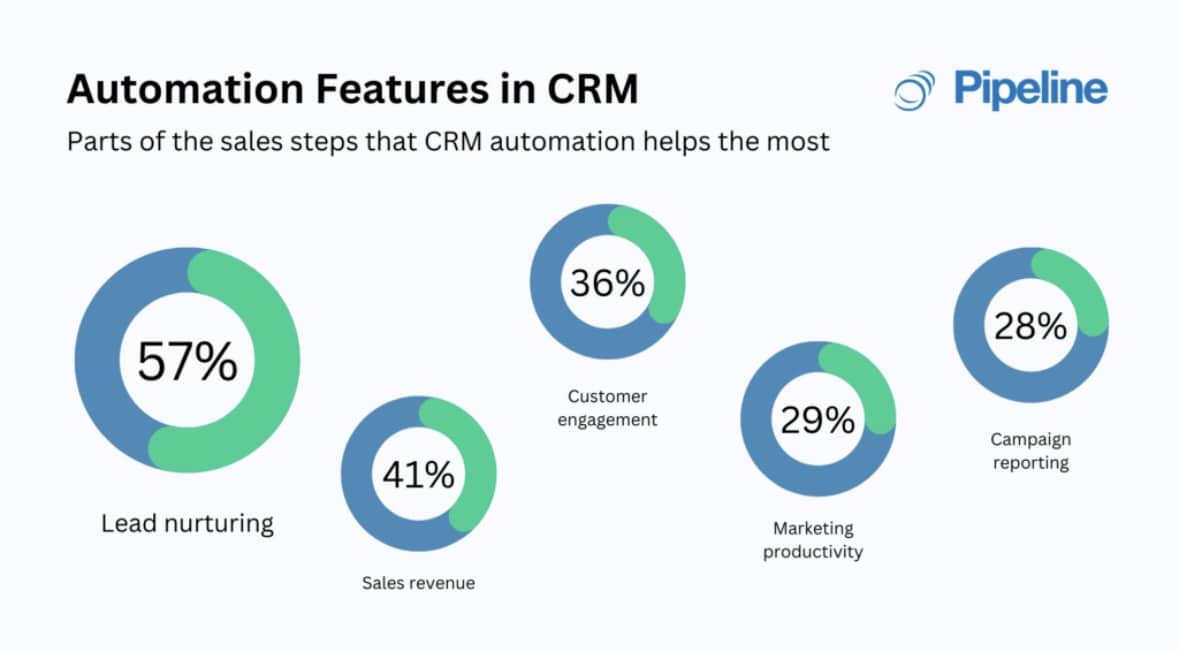
Image source
Reporting That Doesn’t Require a Degree
Let’s talk about data. Numbers are great, but staring at spreadsheets filled with acronyms and percentages can make your head spin. You need reporting that makes sense without needing an analyst on speed dial.
Good automation platforms give you dashboards that tell a story. How many leads came in? Which campaigns worked? What’s the revenue impact?
Features to look for:
- Custom dashboards: Choose the metrics that matter most to your team.
- Campaign tracking: See which channels are worth your time.
- ROI reports: Connect the dots between marketing spend and sales outcomes.
If a platform can’t make your performance clear, it won’t help you improve. And you’ll spend more time trying to figure out the tool than using it.
Personalization Beyond “Hi [First Name]”
Nobody wants to feel like they’re just another number in your database. And let’s face it – putting someone’s first name in an email subject line isn’t doing the job anymore. (Was it ever? Maybe in a simpler time).
Modern marketing automation should let you personalize based on behavior and preferences, not just basic contact fields. Did someone read your blog about Product A? Then show them more about Product A. Did they attend a webinar? Follow up with related resources.
Relevance. Remember it.
Personalization features to pay attention to:
- Behavioral triggers: Emails or ads fire based on real-time actions.
- Dynamic content: Swap text, images, or offers depending on the lead profile.
- Segmentation: Break down your database into groups that actually make sense.
The more relevant your outreach, the better your engagement. Better engagement usually means better results.
Easy to Use? The Deciding Factor
Here’s the deal: you can buy the fanciest platform in the world, but if your team can’t figure out how to use it, it’s useless and you wasted money.
Ease of use should always be high on your checklist. Look for platforms with clean interfaces, drag-and-drop builders, and strong onboarding support. Training videos and live support are great, but the software should feel intuitive right out of the box.
Think about it. If sending a simple email campaign takes three hours and multiple Google searches, adoption won’t happen. And you’ll be left paying for shelfware.
Signs of user-friendly software:
- Clear navigation menus.
- Drag-and-drop workflow builders.
- Pre-built templates for emails, forms, and landing pages.
- Responsive support when questions come up.
Don’t underestimate this one. Ease of use can make or break your investment.
Integration With Other Tools
CRM integration is huge, but it’s not the only integration that matters. Your marketing automation should play nicely with other tools in your stack too.
Think webinar platforms, social media schedulers, e-commerce platforms, and ad networks. The less time you spend uploading CSV files or manually syncing campaigns, the better.
What to connect:
- Webinar software for automatic registration emails.
- Social media platforms for publishing and tracking.
- E-commerce systems for abandoned cart campaigns.
- Ad platforms for retargeting audiences.
When your tools talk to each other, your whole operation runs smoother.
Scalability Without the Stress
Your business today won’t look the same in two years. That means your marketing automation needs to grow with you.
A platform that works for a five-person team should also be able to handle a fifty-person team later. Look for software with flexible pricing tiers, advanced features you can grow into, and APIs that let you expand functionality over time.
Nobody wants to go through the headache of switching platforms every year. Pick something that can grow alongside your business.
Support and Training
Even the best tools have a learning curve. That’s why support and training matter. You don’t want to be stuck waiting three days for an answer when your campaign launch is tomorrow.
Check what’s available: live chat, phone support, knowledge bases, video tutorials, and user communities. A strong support ecosystem helps you get the most out of your investment.
Pricing Transparency
Let’s be real — software pricing can sometimes feel like shopping for airline tickets. Add-ons everywhere. Surprise fees. Confusing tiers.
Look for clear pricing. You should know exactly what you’re paying for and what limits exist. Is there a contact cap? Extra fees for integrations? Make sure the platform is upfront about it.
That way, you won’t get stuck with a surprise bill down the line.
What About AI Features?
Okay, let’s touch this carefully. You don’t need a platform that promises to “revolutionize your workflow with futuristic magic.” What you need are practical features that make life easier.
Think predictive send times, subject line suggestions, or audience scoring based on behavior. These are the kinds of enhancements that save time and help your campaigns perform better — without overcomplicating things.
How Do You Pick the Right One?
So, with all these features floating around, how do you actually make a decision?
Start with your goals. Do you need stronger lead nurturing automation? Is your top priority CRM integration marketing software? Or maybe it’s reporting that doesn’t feel like calculus.
Make a list of your must-haves and nice-to-haves. Demo two or three platforms. See how your team feels using them. And remember, adoption is just as important as capability.
What Should You Do Next?
Now, you’re officially armed with the features that matter most. From CRM integration marketing software to lead nurturing automation, the right platform should help you save time, keep your leads engaged, and bring your marketing and sales teams closer together.
So, what’s the next step? Start comparing platforms with these features in mind. Test them. Ask your team what feels intuitive. Then choose the software that supports the way you actually work. Because once you find the right fit, you’ll wonder how you ever managed without it.
If you’re unsure where to begin, Marketing Insider Group offers specialized services to create content, manage campaigns, and engage with your audience. Contact us today to learn more or book your free consultation with our team!
Read More
By: Lauren Basiura
Title: What Are the Key Features to Look for in Marketing Automation Software?
Sourced From: marketinginsidergroup.com/best-practices/what-are-the-key-features-to-look-for-in-marketing-automation-software/
Published Date: Sun, 07 Dec 2025 11:00:32 +0000
Did you miss our previous article...
https://trendinginbusiness.business/business/ocado-secures-350m-kroger-payout-as-another-us-robowarehouse-is-scrapped