.png)
Macworld
Every year at WWDC, Apple kicks off a new cycle of operating system updates that will change the faces of the devices we use every day for the next year. On June 8, we’ll get our first glimpse at what the “27” operating systems will bring, which will lead to their arrival in the fall and numerous major updates all the way through next May, when the cycle will begin again.
I’ve been attending Apple’s WWDC since sometime in the 1990s, which is… a long time. But this year’s event promises to be one of the most interesting ones yet, mostly because in 2024, Apple really stepped in it, promising a bunch of features it didn’t deliver. Last year was a bit of an apology tour, but it didn’t directly address what had been promised previously.
Which means that Apple has really piled two years of promises on the agenda of WWDC 2026. The stakes couldn’t be higher. Here’s what I’ll be watching for at this year’s event, especially when it comes to its AI do-over.
Time to deliver
In 2025, Apple didn’t make a single promise at WWDC in June that it failed to deliver by the end of the year. That was by design, as a way to begin to repair the trust that was breached when it got out too far over its skis in 2024. It was a good start, but AI was also largely absent from the promise list last year.
This year, Apple needs to deliver on what it failed to deliver in 2024. It needs to deliver the coherent AI strategy it ended up punting two years ago. It’s time to renew the vows it made in 2024 and provide a comprehensive approach to AI features on Apple platforms that it can actually begin executing in 2026.
The tricky thing is that Apple will need to thread the needle between what’s possible and pragmatic and what goes a bit too far. If it gets too conservative with its promises, it risks seeming dowdy and behind the times. But if it goes too wild with promises, it risks a repeat of 2024, where it couldn’t execute at the level it had assumed it could.
What’s the right balance between those two extremes? Apple doesn’t want to be seen as being behind, but it also doesn’t want to seem desperate in trying to keep up with the cool kids–especially since the power and success of the iPhone means that it doesn’t have to. (All the major AI platforms are popular on iOS, which helps a lot.)
I think it’s more likely that Apple is still overcorrecting from 2024 and will be restrained in what it announces this year, which means I’m bracing for disappointment. What I hope will happen is that Apple will sketch out its broader vision for how AI fits in with its platforms–including some foundational technologies like App Intents and Siri–even if it has to admit that it’s going to take longer than six months to get there.
Foundry
Apple hates giving road maps, hates talking about general directions rather than specific features that it can ship, but I think it’s required here. It should sell us on its vision for how AI fits in with what it’s doing, and then can give some near-term examples of how it’s starting to execute on that front. I don’t think anyone reasonable feels Apple needs to solve everything about AI in iOS 27.0–but feeling like the company knows where it’s going and knows how to get there would sure help.
Don’t let your standards slip
Much has been made of Apple’s broken promises in 2024, but there’s another sin of the past the company should not repeat: lowering its own standards in order to get features out the door.
Forget about the AI features that didn’t ship in 2024. The ones that did were not very good! They showed all the signs of being slapped together in a rush in order to get something out the door.
Let me give you one example: Writing Tools. AI large-language models excel at writing and rewriting text–it’s how they got started. Integrating those text tools into Apple’s platforms seemed like basic table stakes. But what Apple shipped wasn’t integrated. Its operating systems have been checking your spelling and providing other editing tools for ages. Writing Tools wasn’t thoughtfully integrated into the larger text-editing package–it was like a sidecar bolted on to the side, completely separate, with a weird, off-putting interface.
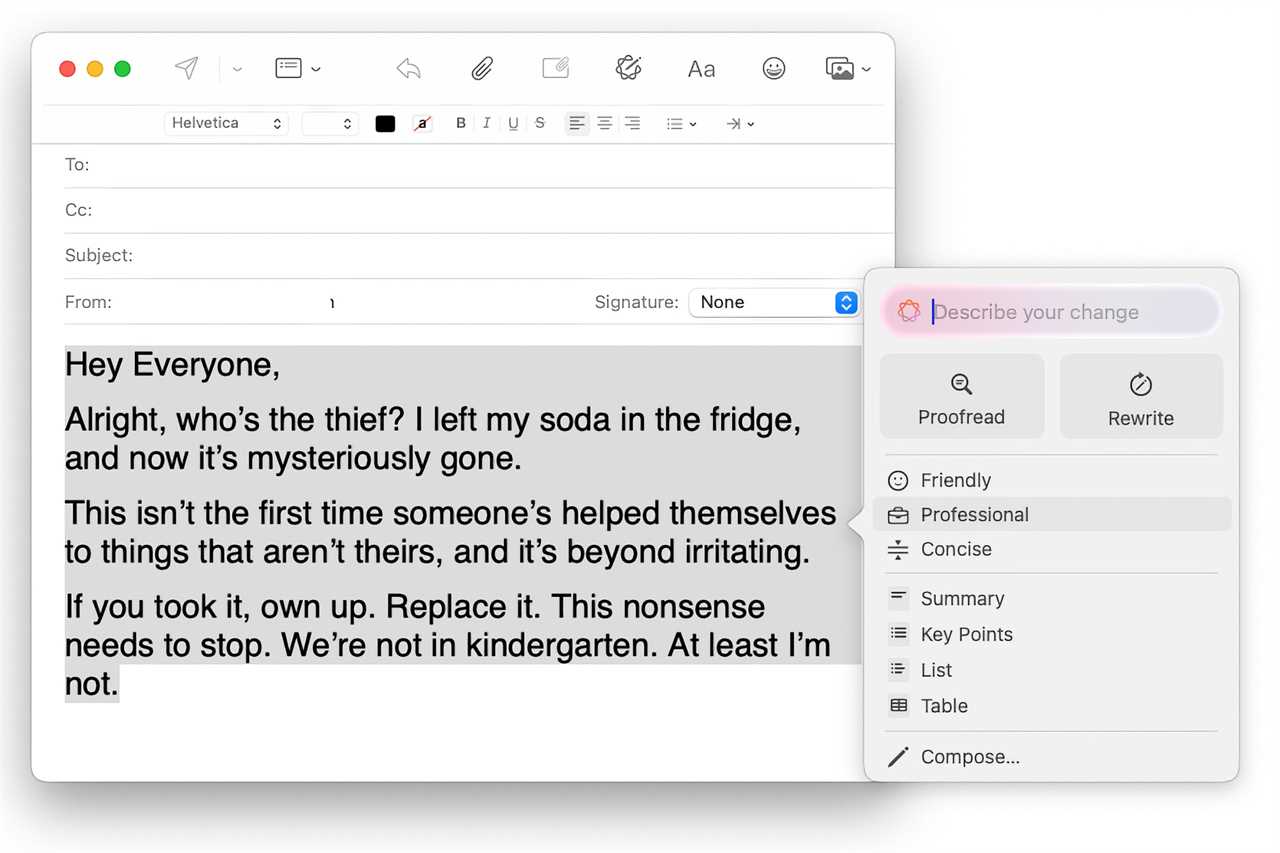
Foundry
What has always set Apple apart from the competition is a thoughtful application of high technology in ways that solve problems for users. Writing Tools does solve some problems, but I wouldn’t call its application thoughtful.
What I want to see in 2026 is a set of AI features that Apple has really thought through and that fit with the iOS and macOS experience. Features that carry the unmistakable smell of panic and fear are a red flag.
Focus on the practical
You can’t escape the marketing of AI features, but most of that marketing struggles to come up with good, realistic examples of why you’d use those features. (This is a side effect of the features coming first, and the use cases second, which is not how you should ever develop a product.)
Apple, to its credit, has proven very good at coming up with examples. All of those Apple Intelligence ads that it got sued over because the features never shipped? At least they were based on useful examples!
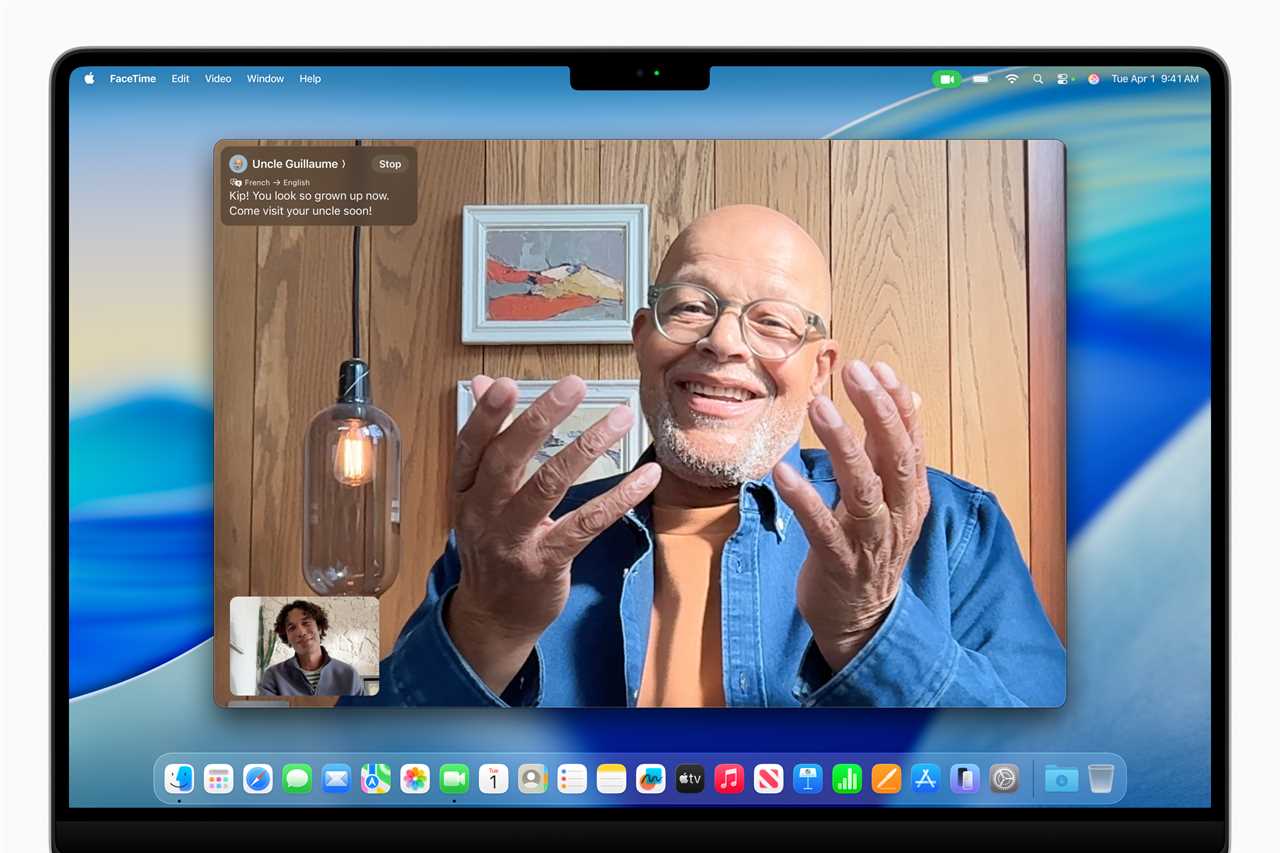
Apple
So during the WWDC keynote, what I want to see are practical demonstrations of Apple’s features. I don’t need Apple to prove that it’s chasing cutting-edge AI features; I want it to solve the problems of iPhone users. I want it to show AI tools fixing things that Apple’s customers want to have fixed.
And if I see another demo where someone points a camera at a refrigerator and asks for a recipe with the visible ingredients, someone is getting sent to the principal’s office.
New leaders with a new attitude
In the last two years, Apple has gotten rid of the people in charge of its AI strategy. There are new bosses now, and of course, John Ternus is about to become the new CEO.
New leadership gives organizations an opportunity to turn the page and do things differently. Even if the new leaders are longtime employees (which is almost always the case at Apple), they’re in new roles, and they have the opportunity to put their own stamp on things.
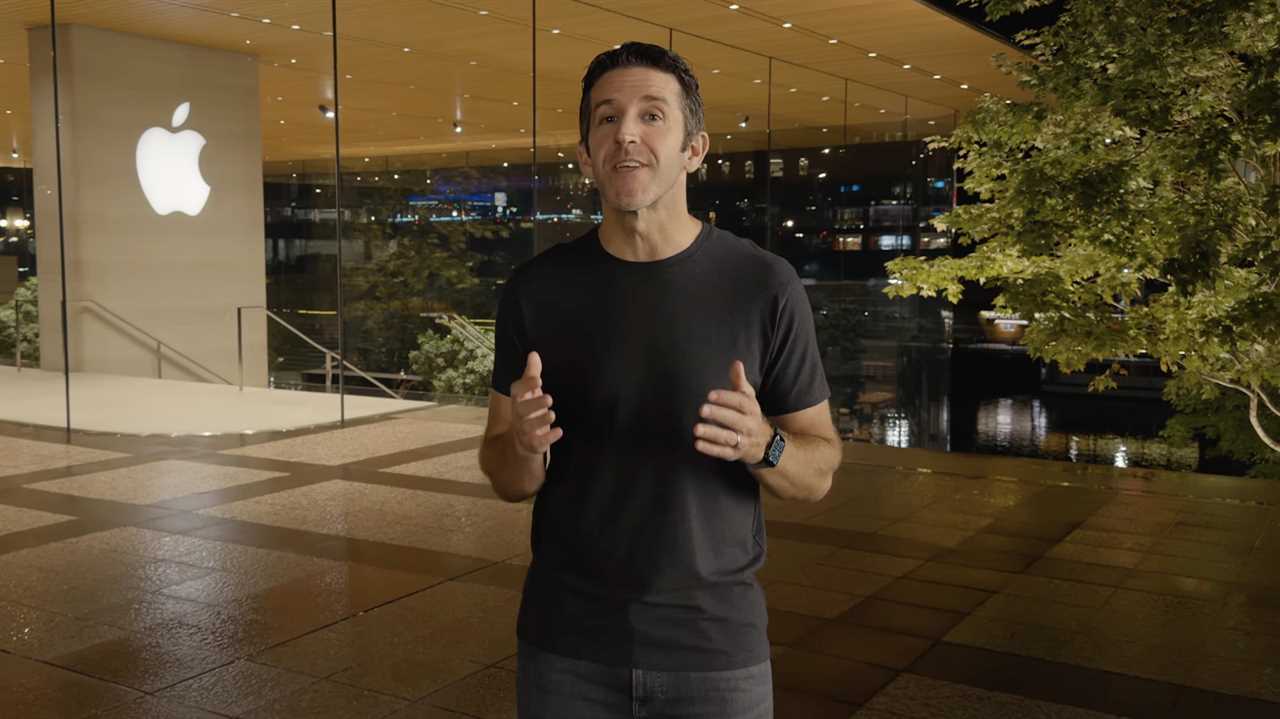
John Ternus doesn’t officially become Apple’s CEO until September, but his presence looms large at WWDC this year.
I want to see that. I want to get the sense that in the last two years, Apple has really rethought how it approaches AI. What does Siri mean now, compared to what it’s meant the last 14 years? Is it the core brand, or is that Apple Intelligence? How do apps function in an increasingly AI-driven world?
Sure, new hardware if you have it
The top rookie mistake of WWDC anticipation is expecting there to be hardware. This isn’t a hardware event; it’s an operating-system announcement and developer event. That said, sometimes hardware does appear at WWDC. It doesn’t have to, but it could.
The Mac Studio and Mac mini both have pretty favorable developer-related narratives, what with the high-end power of the Studio and the fact that the Mac mini has become a darling gadget of AI agent tinkering. Neither product has been updated to M5 yet. This would seem like a decent time, actually, to announce some hardware!
But given all the chip shortages out there, I get the feeling that Apple might not really want to create more demand for M5 chips and RAM when it doesn’t need to. Still, if you want to hold out hope for a hardware announcement, I’m not going to stomp on your dreams.
Want to learn more about Apple’s Worldwide Developers Conference? Read the Macworld WWDC superguide and check out the full coverage of WWDC.
Read More
Title: WWDC 2026: The year of the do-over
Sourced From: www.macworld.com/article/3150887/wwdc-2026-time-for-apples-ai-do-over.html
Published Date: Fri, 29 May 2026 09:15:00 +0000
Did you miss our previous article...
https://trendinginbusiness.business/technology/the-download-unlocking-lithium-and-controlling-ebola