.png)
B2B client churn rarely occurs as a single decision. It is usually the result of gradual disengagement that builds over time through missed expectations, declining usage, shifting priorities, and changes within the buying organization. By the time a renewal conversation takes place, the outcome may already be determined.
Predictive analytics offers a different approach. Rather than relying on lagging indicators such as contract expiration or support escalations, predictive models help organizations anticipate churn risk earlier. By analyzing behavioral data, engagement trends, and account signals together, teams can identify patterns that often precede client attrition.
This article explores how predictive analytics reduces B2B client churn by strengthening data-driven retention strategies and enabling more effective use of retention analytics tools across marketing, sales, and customer-facing teams.
Quick Takeaways
- Predictive analytics helps B2B teams identify churn risk earlier by analyzing behavioral patterns over time.
- Retention analytics tools enable proactive intervention before renewal risk becomes visible.
- Data-driven retention strategies rely on shared visibility across marketing, sales, and customer teams.
- Predictive models improve continuously as organizations refine data quality and response strategies.
Why B2B Churn Is Missed Until It’s Too Late
Many organizations still assess client health using indicators that appear late in the relationship lifecycle. Renewal discussions, contract utilization declines, or executive escalations often serve as the primary triggers for churn prevention efforts.
The problem is timing. These signals usually emerge after internal confidence has already eroded. Budget decisions may already be under review. Stakeholders who championed the purchase may have moved on. Competitive alternatives may already be circulating internally.
Predictive analytics shifts attention earlier in the process by focusing on how client behavior changes over time. Subtle signals such as reduced engagement, delayed responses, or changes in usage patterns often surface long before formal churn indicators appear. Identifying those signals early creates more opportunity for corrective action.
How Predictive Analytics Surfaces Early Churn Risk
Predictive analytics uses historical data to forecast future outcomes. In retention scenarios, models identify combinations of behaviors and account conditions that frequently lead to churn.
Rather than evaluating metrics independently, predictive models examine relationships between signals. A drop in product usage may not be meaningful on its own, but when paired with declining content engagement, reduced meeting attendance, or stakeholder turnover, it becomes more concerning.
Retention analytics tools make it possible to surface these risk patterns across large account portfolios. Instead of relying on intuition or anecdotal feedback, teams gain a data-informed view of where churn risk is emerging and why.
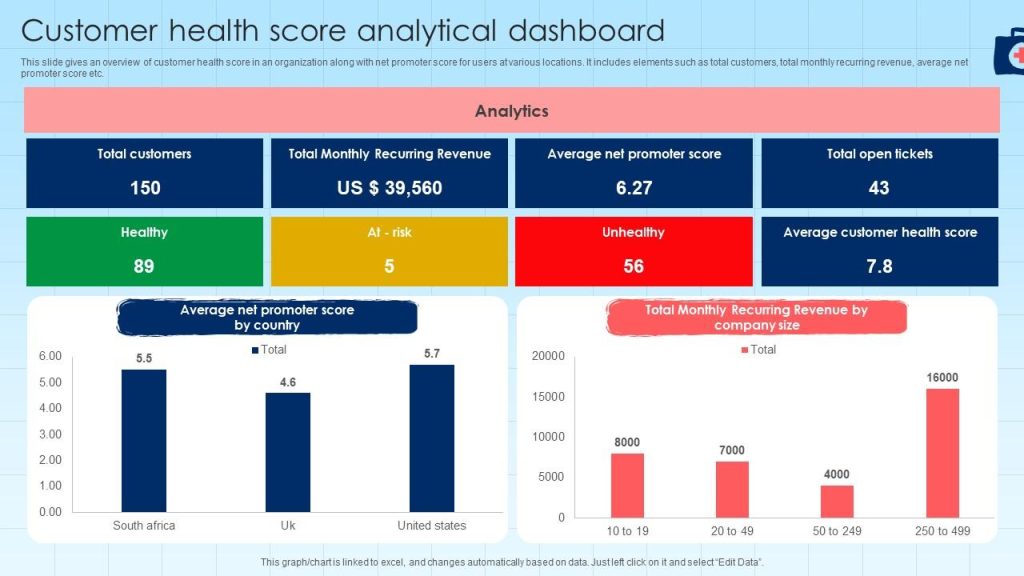
Image Source
Behavioral Data as the Foundation of Retention Forecasting
Behavioral data provides some of the strongest signals for churn prediction because it reflects real-world interaction, not stated intent. How clients engage often reveals more than what they say during periodic check-ins.
Common behavioral indicators include:
- Changes in login frequency or feature usage
- Declining participation in enablement or education programs
- Reduced engagement with content, events, or communications
- Slower response times from key stakeholders
Individually, these signals may appear minor. Over time, patterns emerge that indicate shifting priorities or declining perceived value. Data-driven retention strategies rely on capturing and interpreting these patterns consistently.
Moving Beyond Static Account Health Scores
Many B2B organizations use account health scores to track retention risk. While useful, static scores often fail to capture momentum. They summarize past activity rather than forecasting future outcomes.
Predictive analytics adds a forward-looking layer. Models adjust dynamically as new data enters the system, allowing risk assessments to evolve alongside client behavior. This enables teams to detect emerging risk sooner and prioritize outreach accordingly.
Static health scores persist largely because they are easy to calculate and simple to communicate. They offer a snapshot of account status at a single point in time, often based on weighted activity or usage metrics. While useful for reporting, these scores rarely capture the direction of change within an account.
Predictive scoring shifts attention from where an account has been to where it is likely heading. By evaluating trends across multiple behaviors simultaneously, predictive models surface momentum rather than status. This allows teams to distinguish between temporary fluctuations and meaningful risk patterns.
Retention analytics tools that incorporate predictive scoring help organizations move from periodic reviews to continuous monitoring. Rather than reassessing accounts during quarterly check-ins, teams gain ongoing visibility into changing conditions. This transition supports earlier intervention, clearer prioritization, and more informed decision-making across the account lifecycle.
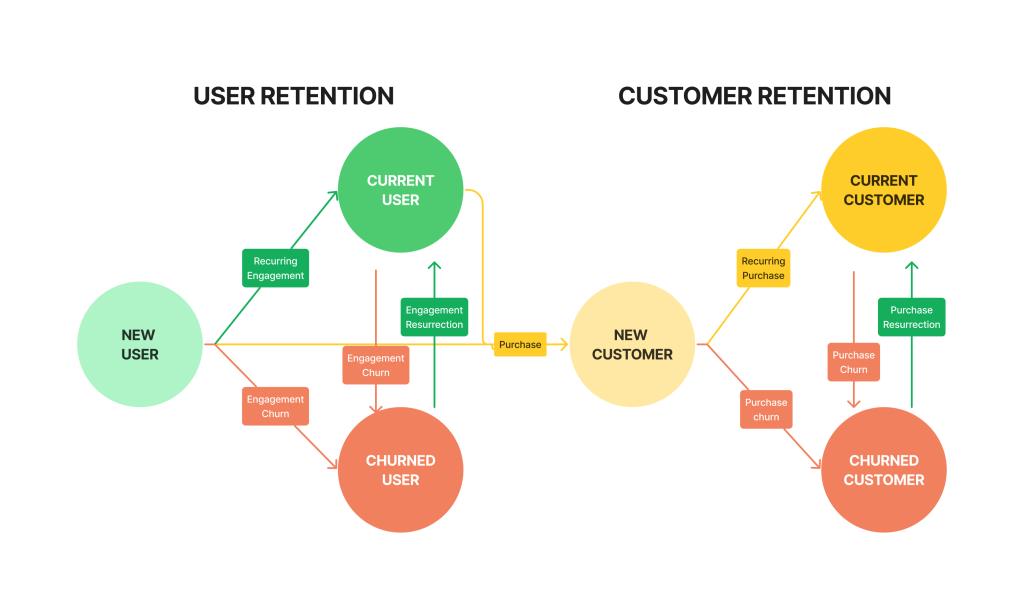
Image Source
Aligning Revenue Teams Around Predictive Retention Signals
Predictive insights lose impact when they remain siloed. Retention improvement depends on shared understanding across marketing, sales, and customer success teams.
Misalignment often occurs because teams interpret account signals differently. Marketing may view declining engagement as a content issue, sales may attribute it to shifting priorities, and customer teams may see it as a temporary usage dip. Without shared context, each function responds independently, reducing overall effectiveness.
Marketing teams benefit from knowing which accounts show declining engagement so they can adjust content and communication strategies. Sales teams need visibility into stakeholder changes or shifts in buying behavior. Customer teams rely on predictive insight to prioritize proactive outreach.
Data-driven retention strategies work best when predictive signals are accessible, trusted, and embedded into daily workflows rather than isolated in analytics dashboards. When risk indicators appear within CRM systems, marketing platforms, or customer success tools, teams can respond in a coordinated way. Shared visibility encourages consistent action and reduces the likelihood of missed or conflicting outreach.
Using Predictive Insights to Personalize Retention Efforts
Predictive analytics supports personalization, but effective retention depends on relevance rather than automation volume. The goal is to respond appropriately to the underlying cause of disengagement.
For some accounts, churn risk may stem from insufficient onboarding or enablement. For others, it may reflect changing business priorities or unmet expectations. Predictive models help distinguish between these scenarios.
Retention analytics tools allow teams to segment at-risk accounts by risk type, enabling more targeted and meaningful engagement. This reduces reliance on generic retention campaigns and increases the likelihood of re-engagement.
Measuring Retention Impact Beyond Renewal Rates
Predictive analytics also changes how organizations evaluate retention performance. Instead of waiting for renewal outcomes, teams can measure whether interventions alter engagement trajectories earlier.
Metrics such as reactivation rates, recovery in usage patterns, and renewed participation in enablement activities provide insight into whether retention efforts are effective. Over time, these outcomes further refine predictive models.
Data-driven retention strategies improve as organizations learn which actions consistently change client behavior, not just which accounts renew.
Common Challenges in Implementing Predictive Retention
While predictive analytics offers significant value, implementation often proves more difficult than expected. Challenges typically stem from data foundations, organizational alignment, and how insights are operationalized across teams.
Inconsistent Data Definitions Limit Model Reliability
Predictive retention depends on consistent input data. When teams define engagement, usage, or account health differently, predictive models lose accuracy. Inconsistent definitions create conflicting signals that undermine confidence in analytics outputs.
Organizations that succeed establish shared definitions for key metrics before expanding predictive efforts. Clear agreement on what constitutes meaningful engagement or risk forms the foundation for reliable insight.
Fragmented Systems Obscure the Full Client Picture
Retention data often lives across multiple platforms, including marketing automation, CRM, product analytics, and support systems. When these systems remain disconnected, predictive models operate on partial information.
Fragmentation limits visibility into how behaviors interact across the client lifecycle. Retention analytics tools deliver stronger insight when they unify data sources and support cross-functional analysis rather than siloed reporting.
Limited Adoption Reduces Predictive Impact
Even accurate predictive insights fail to reduce churn if teams do not trust or use them. When analytics remain confined to dashboards or reports, opportunities for early intervention are missed.
Organizations improve adoption by embedding predictive signals into existing workflows. When risk indicators appear within tools teams already use, insights become actionable rather than informational.
Overemphasis on Modeling Delays Practical Value
Some organizations focus heavily on model sophistication while overlooking operational readiness. Complex models offer little value without clear processes for response.
Effective data-driven retention strategies balance analytical rigor with execution. Teams define how and when to act on predictive signals before pursuing advanced modeling techniques.
Governance Gaps Create Long-Term Risk
Predictive analytics requires ongoing oversight. Without governance, models degrade as data sources change and business conditions evolve.
Successful organizations establish ownership, review cycles, and accountability for predictive retention efforts. Governance ensures insights remain relevant and trusted over time.
How Predictive Analytics Expands Marketing’s Role in Retention
Predictive analytics extends marketing’s influence beyond acquisition. Marketing teams increasingly contribute to retention by supporting ongoing education, value communication, and relationship reinforcement.
By identifying early churn risk, marketing can deliver targeted content that addresses common friction points, reinforces differentiation, and supports internal alignment within client organizations.
Data-driven retention strategies position marketing as an active contributor to long-term revenue health rather than a function focused solely on lead generation.
Strengthen Retention Strategies Today with Marketing Insider Group
Predictive analytics enables B2B organizations to move from reactive churn response to proactive relationship management. By applying data-driven retention strategies and using retention analytics tools effectively, teams can reduce churn risk while strengthening long-term client value.
Want to build a data-driven lead engine? Subscribe to Marketing Insider Group for expert insights that improve lead performance, strategy execution, and marketing ROI.
Read More
By: Lauren Basiura
Title: How Can Predictive Analytics Reduce B2B Client Churn?
Sourced From: marketinginsidergroup.com/marketing-strategy/how-can-predictive-analytics-reduce-b2b-client-churn/
Published Date: Mon, 16 Mar 2026 10:00:13 +0000
Did you miss our previous article...
https://trendinginbusiness.business/business/savills-agrees-1bn-deal-to-buy-eastdil-secured-in-major-us-expansion-push