.png)
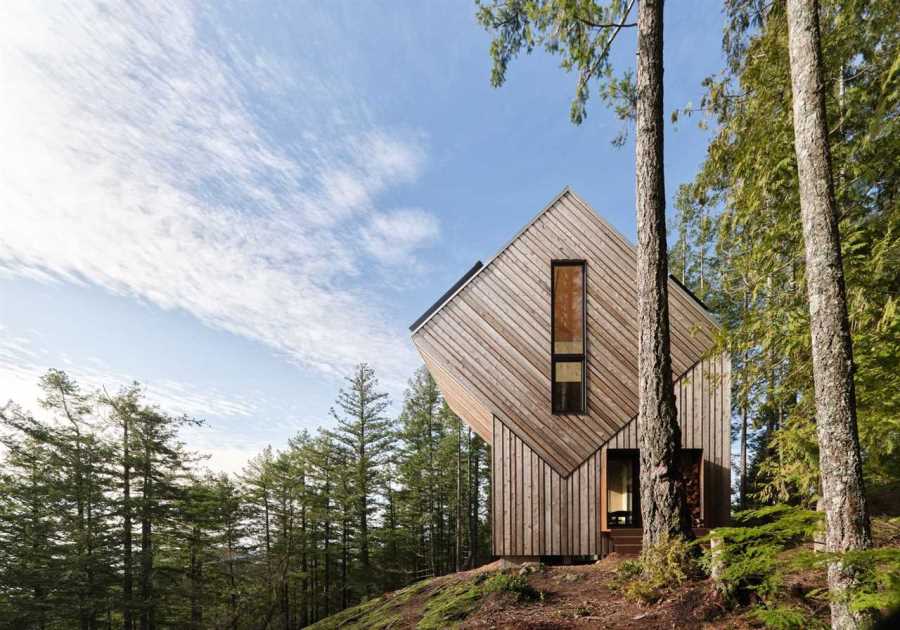
The most desirable spaces in contemporary design—solaria, glass walls, double-height volumes—are also the hardest to climate control.
Flip through any modern architecture magazine and you might notice a pattern: glass-walled living areas that dissolve boundaries, double-height volumes that create drama, and solaria flooding interiors with light. These types of spaces have come to define contemporary residential design—but historically, they’re all extraordinarily difficult to heat and cool.
Floor-to-ceiling south-facing glass? Expect temperature swings and uncomfortable solar gain. Two-story living room? Accept that upstairs will be stuffy while downstairs stays cool. Solarium addition? Plan for it to be unusable most of the year.
These limitations were never caused by a lack of architectural ambition but rather mechanical capability. Conventional HVAC systems often struggle with temperature fluctuations, tall ceilings that trap heat, and extensive glazing that gains heat in summer and loses it in winter. Modern heat pump technology—particularly variable-speed systems like those from Trane—is fundamentally changing what’s architecturally viable.
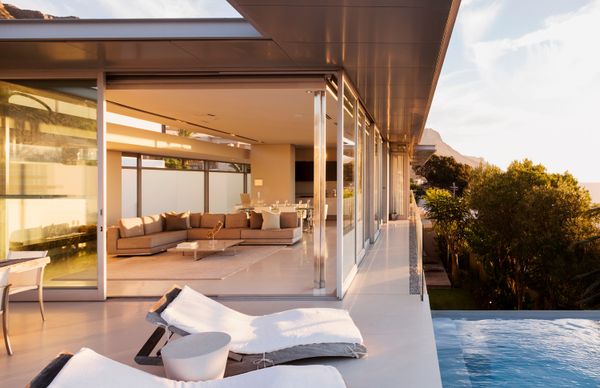
Modern heat pumps manage solar gain and temperature swings that once made glass-heavy architecture a thermal liability.
Photo by KOTOIMAGES via Shutterstock
Glass without compromise
Contemporary architecture’s obsession with glass creates specific thermal challenges. South-facing walls deliver gorgeous natural light but create significant solar gain. North-facing glazing, meanwhile, provides even illumination but loses heat rapidly in winter. In response, traditional single-speed systems respond by cycling on and off, creating temperature swings.
Variable-speed heat pumps solve for this by running continuously at precisely the output needed, adjusting gradually as conditions change throughout the day. Instead of blasting cold air when solar gain happens then shutting off completely, the system modulates to maintain consistent comfort.
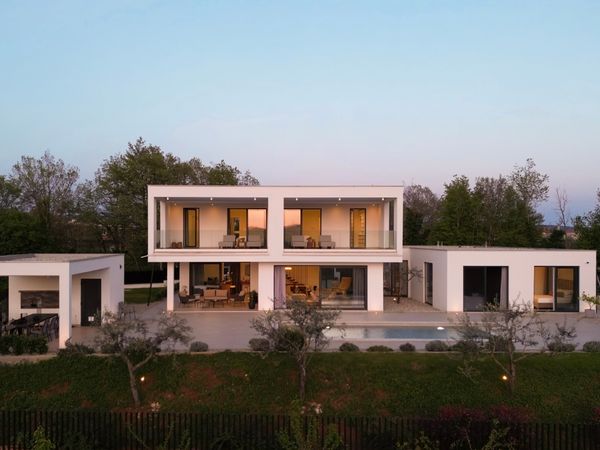
Today's variable-speed heat pump systems make double-height volumes and floor-to-ceiling glass more liveable than ever.
Photo by dotshock via Shutterstock
Reimagining volume and height
Double-height spaces present a different challenge: heat stratification. Warm air rises, creating temperature differentials between levels. Traditional systems often compensate by overcooling or overheating, increasing energy output while working to achieve comfort.
Modern heat pumps address this through sophisticated air distribution. Zoned systems allow for different treatment of upper and lower spaces, while variable-speed operation provides gentler, more consistent air movement that reduces stratification without creating drafts.
The acoustic advantage matters too—continuous operation at lower speeds is significantly quieter than the on-off cycling of traditional systems, crucial in open-plan homes where mechanical noise travels freely. Trane's variable-speed systems, for example, operate at sound levels that become acoustic background rather than periodic intrusion.
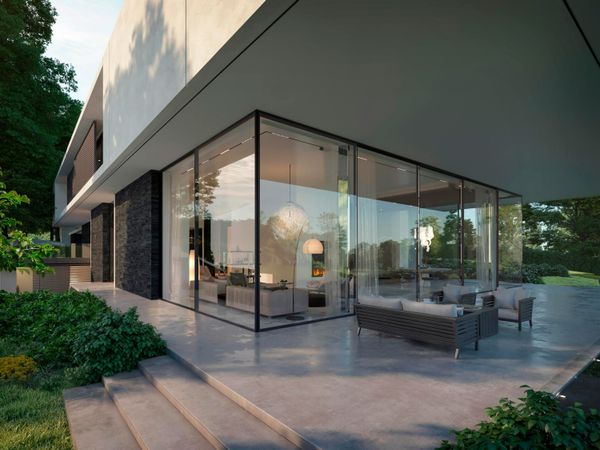
Variable-speed heat pumps maintain consistent comfort by modulating continuously rather than cycling on and off.
Photo by Tahir Waqas via Shutterstock
See the full story on Dwell.com: How Heat Pumps Are Quietly Reshaping Architecture
Read More
By: Stacey McLachlan
Title: How Heat Pumps Are Quietly Reshaping Architecture
Sourced From: www.dwell.com/article/how-heat-pumps-are-quietly-reshaping-architecture-trane-97398907
Published Date: Tue, 30 Jun 2026 19:14:50 GMT
Did you miss our previous article...
https://trendinginbusiness.business/real-estate/from-clicks-to-home-sales-how-connected-builder-websites-convert-traffic