.png)
If you’re craving exquisite acoustics and pitch-perfect style, here’s everything you need to bring studio-worthy sound home.
Welcome to Someone Buy This!, a monthly shopping column featuring the fun, the frivolous, and the practical from a very discerning shopper.
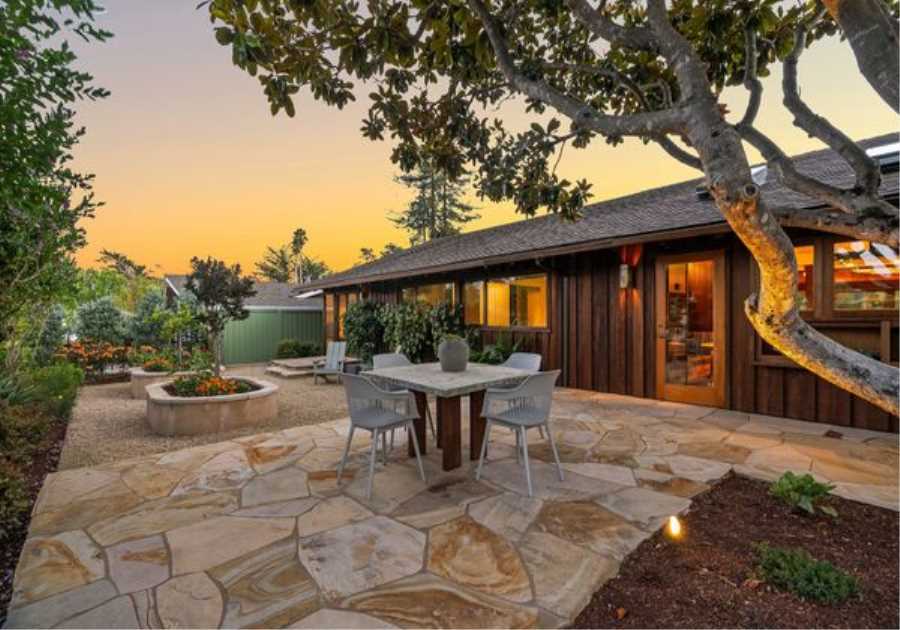
I love hi-fi bars. These cozy, often wood-paneled spaces are centered on listening to great music. Visits to Eavesdrop in New York City, Dante’s HiFi in Miami, and Boa Vista Social Club in Lisbon inspired my partner and I to start to build out our living room as a listening zone.
It started with a vintage receiver that belonged to my partner’s grandmother: a massive, gorgeous wood-veneer box from the 1970s with silver knobs and backlit meters. After about $400 in repairs, it found a spot next to a turntable we got for free. Speakers came next, then a Bluetooth switcher that allowed us to stream music from our phones. Before long, the whole setup—and the mess of wires powering it—had taken over a section of our living room. And don’t get me started on the piles of records.
I became fixated on making our listening zone look and sound good, despite not knowing much about audio in the first place. How, exactly, do you create a listening setup at home that’s both beautiful and reasonably good-sounding?
My research started on Reddit, where I quickly realized the all-or-nothing approach of the audiophile subreddits. Pages and pages of threads about cables and gear. Photos of listening rooms that looked more like music studios. Though I respect that kind of passion and attention to detail, I’m looking for something less intense. "Fine-tuning it to the nth degree is a hobby within itself," said Walker Tovin, managing director of Symbol Audio, a maker of high-end audio furniture, when I told him about how intimidated I was by what I’d read online. "There’s substance there." But your average person (me!) isn’t building out a custom studio at home.
So how do you start to build a home audio setup without drowning in all the possibilities?
The one thing to focus on is…
Pete Raho is the founder of Gowanus Audio, and he designs custom speakers and sound systems for bars and residential homes. Of all the things to focus on, Raho says to prioritize the speakers. "Great speakers are the foundation of a system," he says. "Focus on great speakers, first with an okay amp and streamer or turntable, and then go from there." He says the Dynaudio Emit 10 or 20, KEF LS50, and Bowers & Wilkins CM2 are solid choices ranging from $800 to $1,500.
Dynaudio Emit 10 Bookshelf Speakers - Walnut, Pair
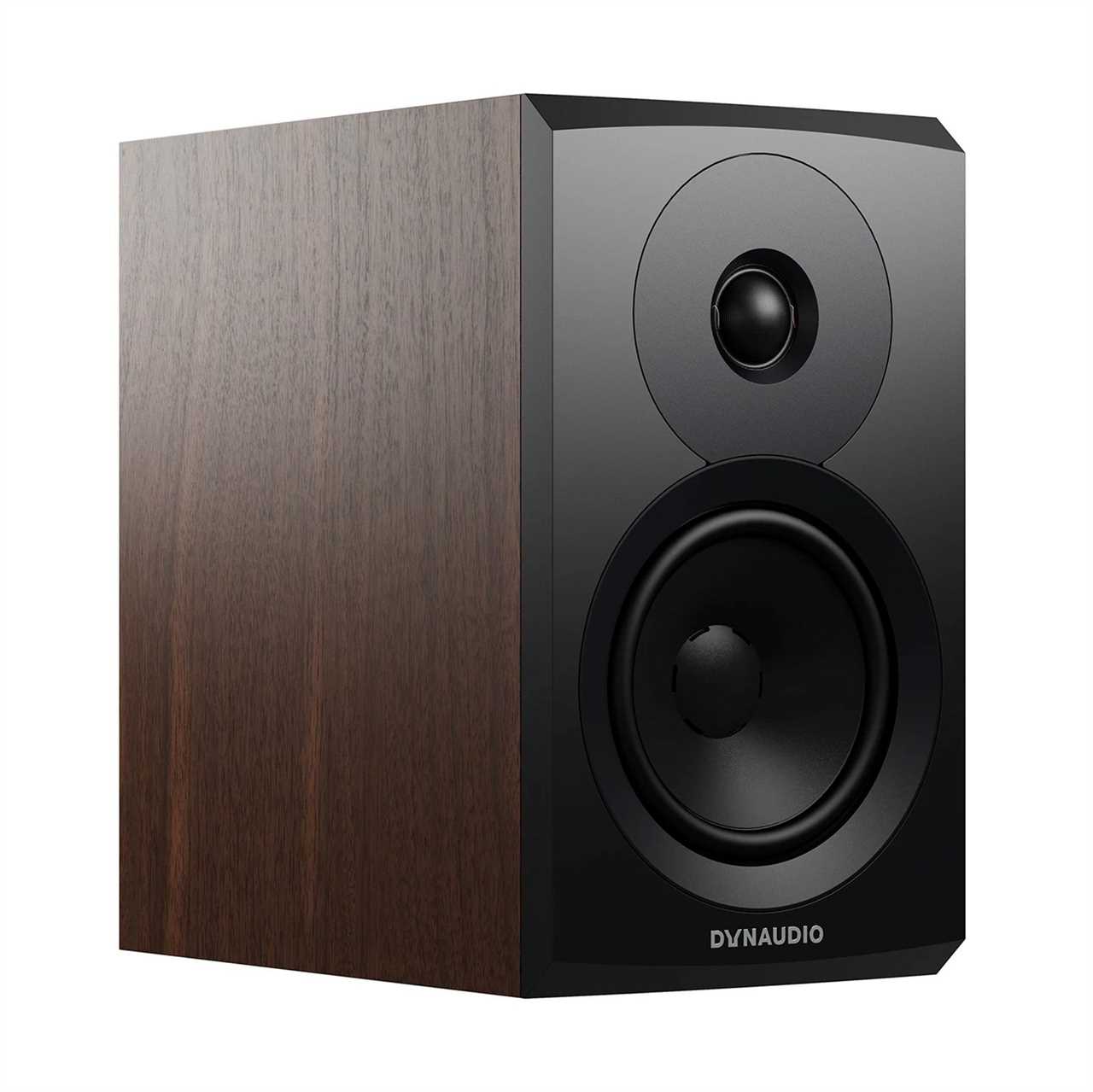
The most compact member of Dynaudio's Emit speaker series is ideal for small to medium-sized rooms or anywhere where space is limited, such as on a bookshelf or small stand.
Bowers & Wilkins CM2
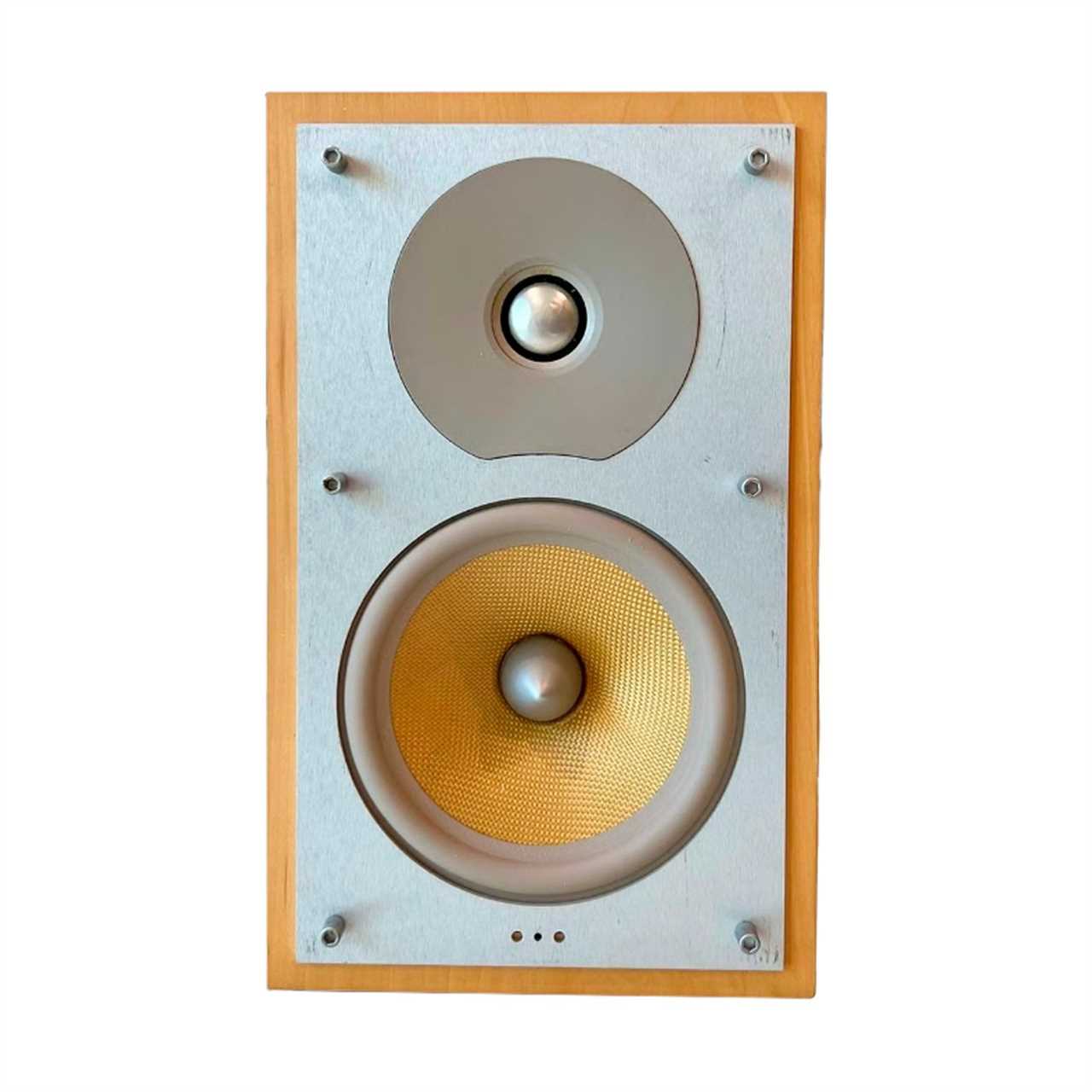
Bowers & Wilkins CM Series speaker set including:• Pair of B&W CM2 bookshelf speakers• B&W CMC center channel speakerBeautiful real wood veneer cabinets with the classic yellow Kevlar drivers.
Vintage is not always better—or even good—he says. "I’m not knocking all old stuff, there’s lots of good gems out there. But blindly buying old stuff for $90 on Facebook Marketplace isn’t going to be an improvement over anything."
Speaker placement matters, but don’t spin out over it
"Acoustics is a whole big rabbit hole," says Raho, who recommended using a free online tool called Amcoustics to figure out the best speaker placement for your space. "Just about every location in the room will sound a little bit different. It can be worth the effort to optimize speaker and seating placement."
Speakers and seating should form a triangle in your space, and the tweeters (the smaller of the two circles on your speakers) should be at ear level. "That seems the most natural to most people," says Raho. Sofas, coffee tables, and other furniture can affect sound, but try not to spiral too much about that. Don’t let acoustic perfection completely override how you actually live in the space day-to-day.
Be picky with furniture
Your furniture choices matter for both aesthetics and function.
The main things you should consider are sturdiness, ventilation, and cable management. If your audio setup includes a turntable, you may already know how sensitive they are. Flimsy shelving and/or creaky wood floors can make your turntable skip. "The worst enemy of a turntable is vibration," Tovin says, adding that Symbol’s furniture—with the exception of its collaboration with USM—is made of solid wood. The brand’s simplest offering is a flat-pack stand with built-in record storage and a vibration-isolated platform for your turntable.
Symbol Audio MAX Turntable Stand
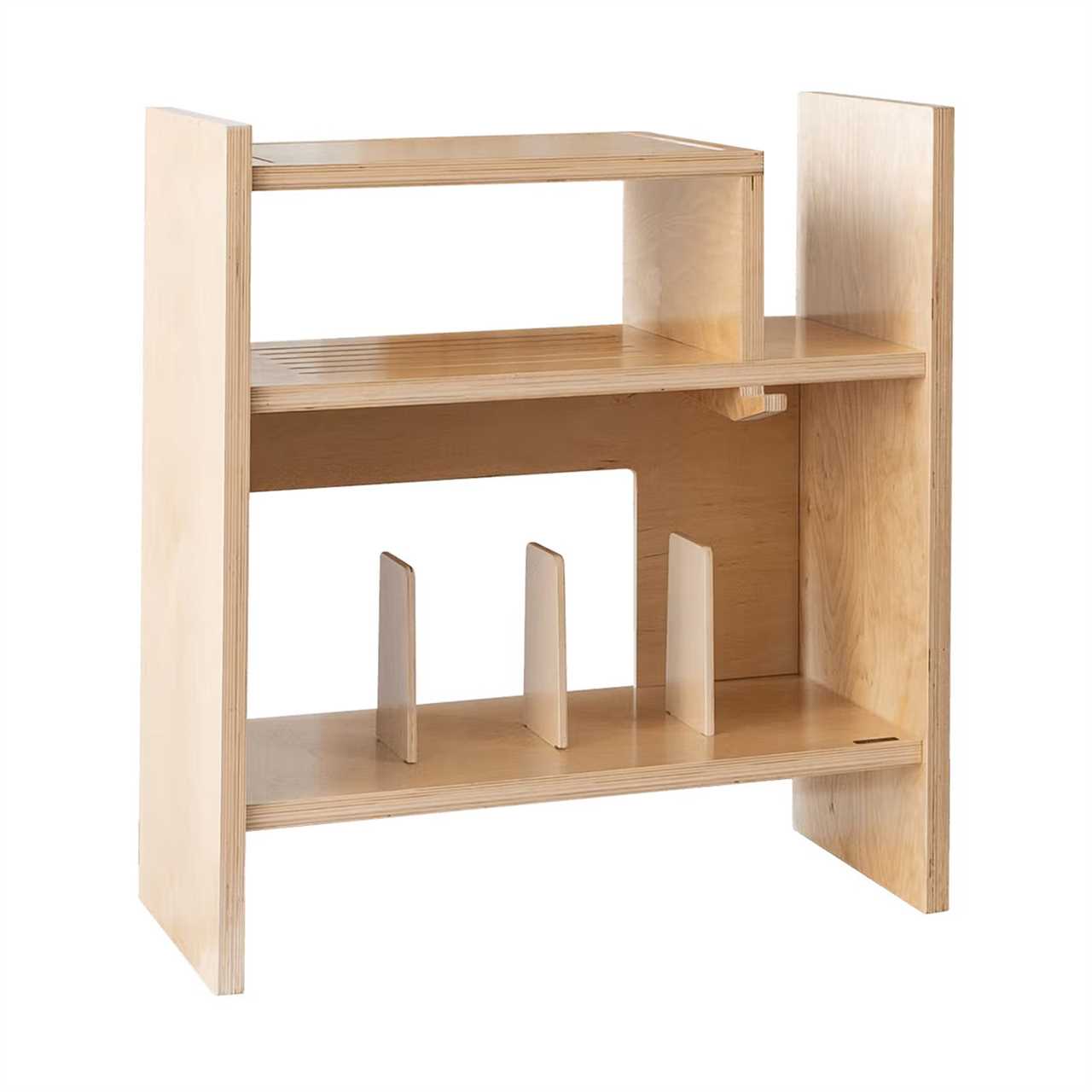
The MAX Turntable Stand features a vibration-isolated turntable platform, amplifier compartment shelf, and storage for up to 175 records.
To reduce vibration, look for heavy, rigid furniture that minimizes movement and, if necessary, invest in an isolation base. "If you’ve got a kind of rickety, vintage piece that you love, that might not be the best thing for your turntable," says Raho.
Fluance IB40 Turntable Isolation Base
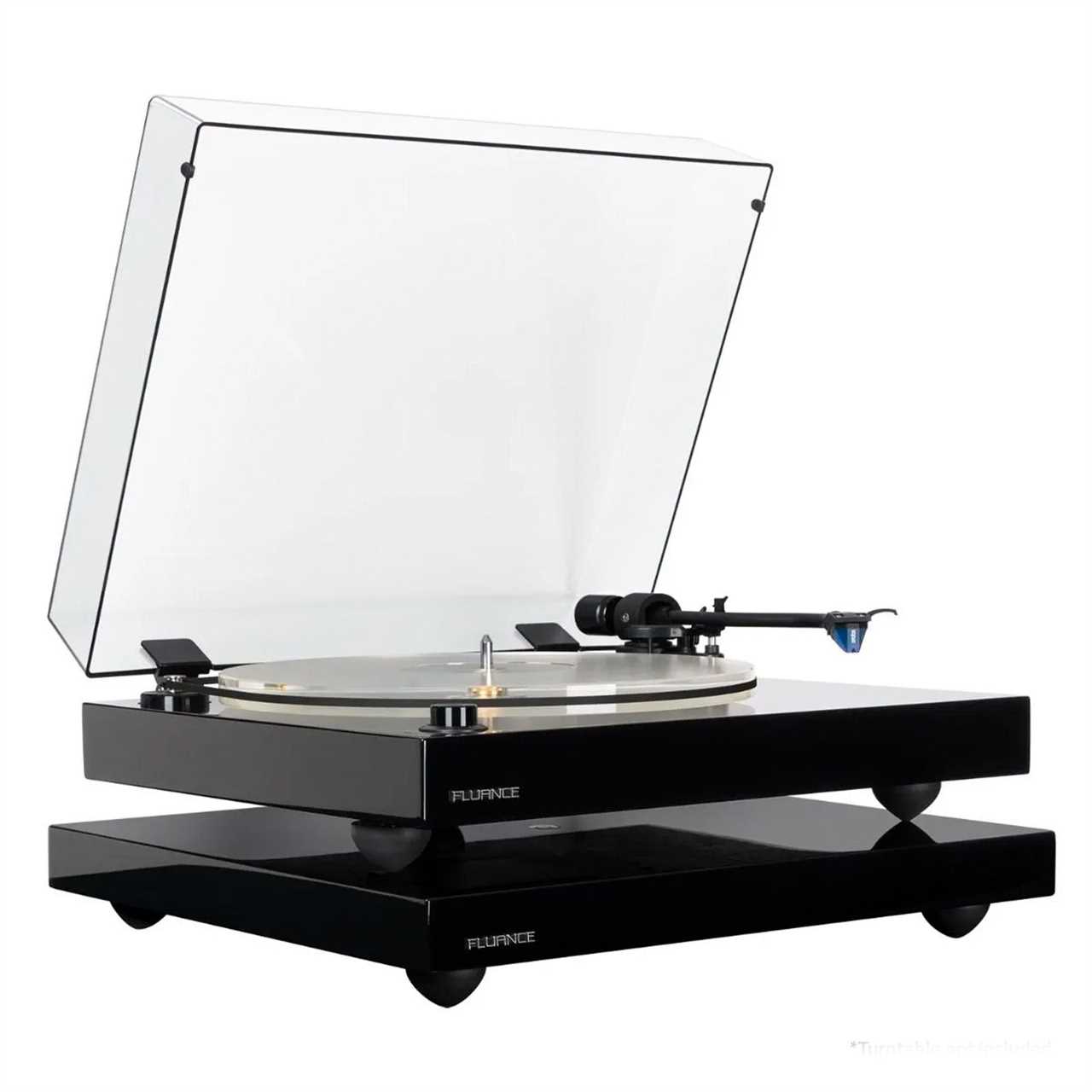
For Enhanced Sound Clarity and Superior Damping with Height Adjustable Feet, Bubble Level, Universal Compatibility
Lucca House 4x2 Shelf
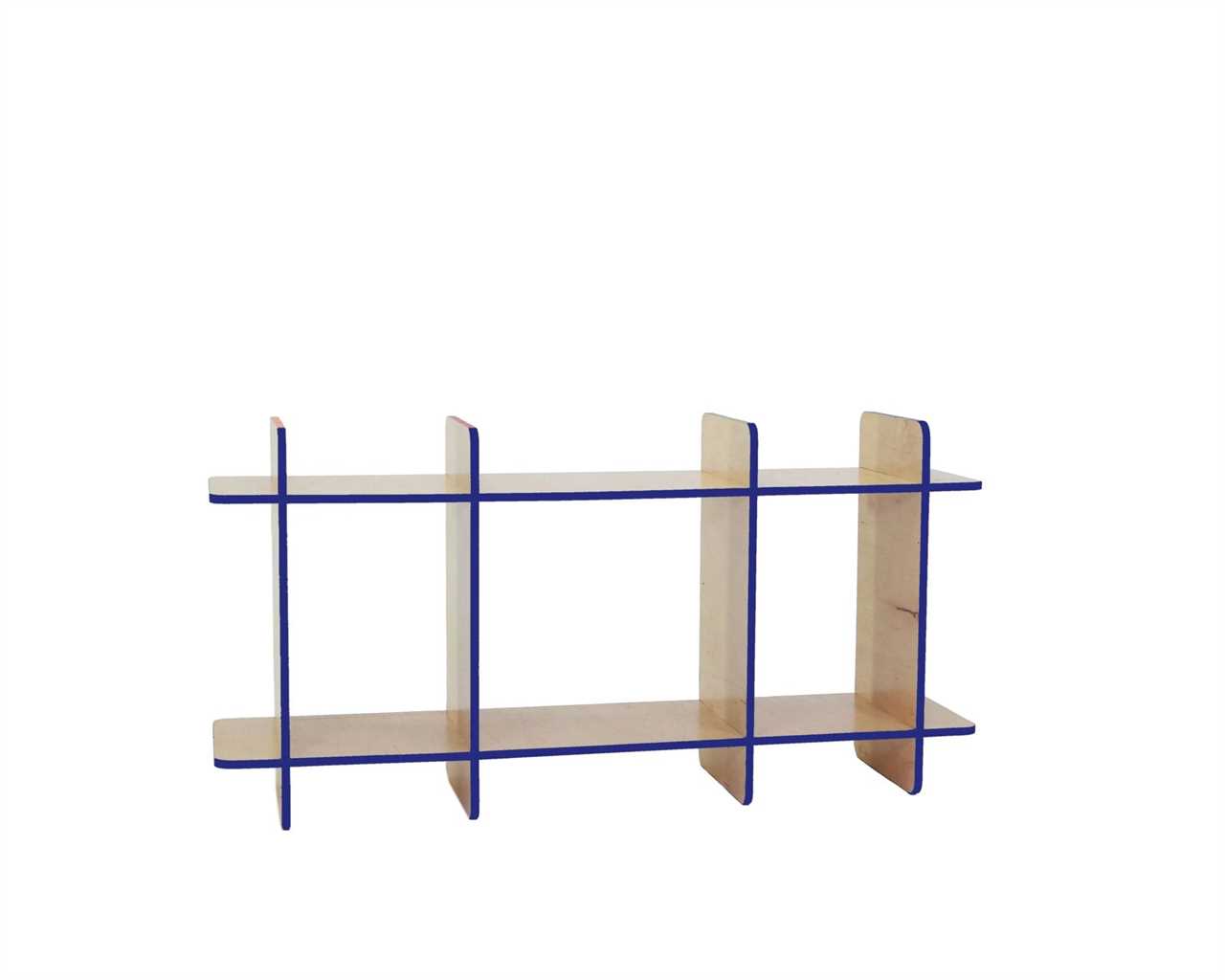
A shelf or storage for any space. Similar to the 5x2, but with an extra shelf in the middle for even more options. Laminated maple ply. Assembles in 1 minute. Exterior 47.5 x 23.5 x 11.5" Interior 10.5 x 15.5 x 12.5" / 16.5 x 15.5 x 12.5"
Ventilation is also key, especially with older equipment. "An old vintage amp would likely generate more heat and also weigh a lot because you likely have big vintage transformers in there," he adds. In this case, look for open front or open back pieces and ensure that shelves are spaced out enough to leave breathing room. Some options I saved to my list in addition to Symbol’s flat-pack stand: Thuma’s modular Nest shelving, Lucca House’s grid system, and, if you want something more custom, look on Etsy.
Thuma Nest Shelving

A highly versatile piece that emphasizes visibility and flexibility. Combines the luxury of solid wood shelving with the flexibility of a modular design. Do not stack more than 47" vertically.
If you follow the "ear-height" rule for your speakers, what does this mean for your seating? The answer is low, low, low. Visit Symbol Audio’s New York City showroom and you’ll see row after row of inviting sofas and get a crash course in ideal furniture placement for listening. "Everything’s very deep and low and plush and comfortable because it is intended to reflect that attitude of sitting back and engaging with a piece of music," says Tovin.
Symbol Audio T-Bone Soda
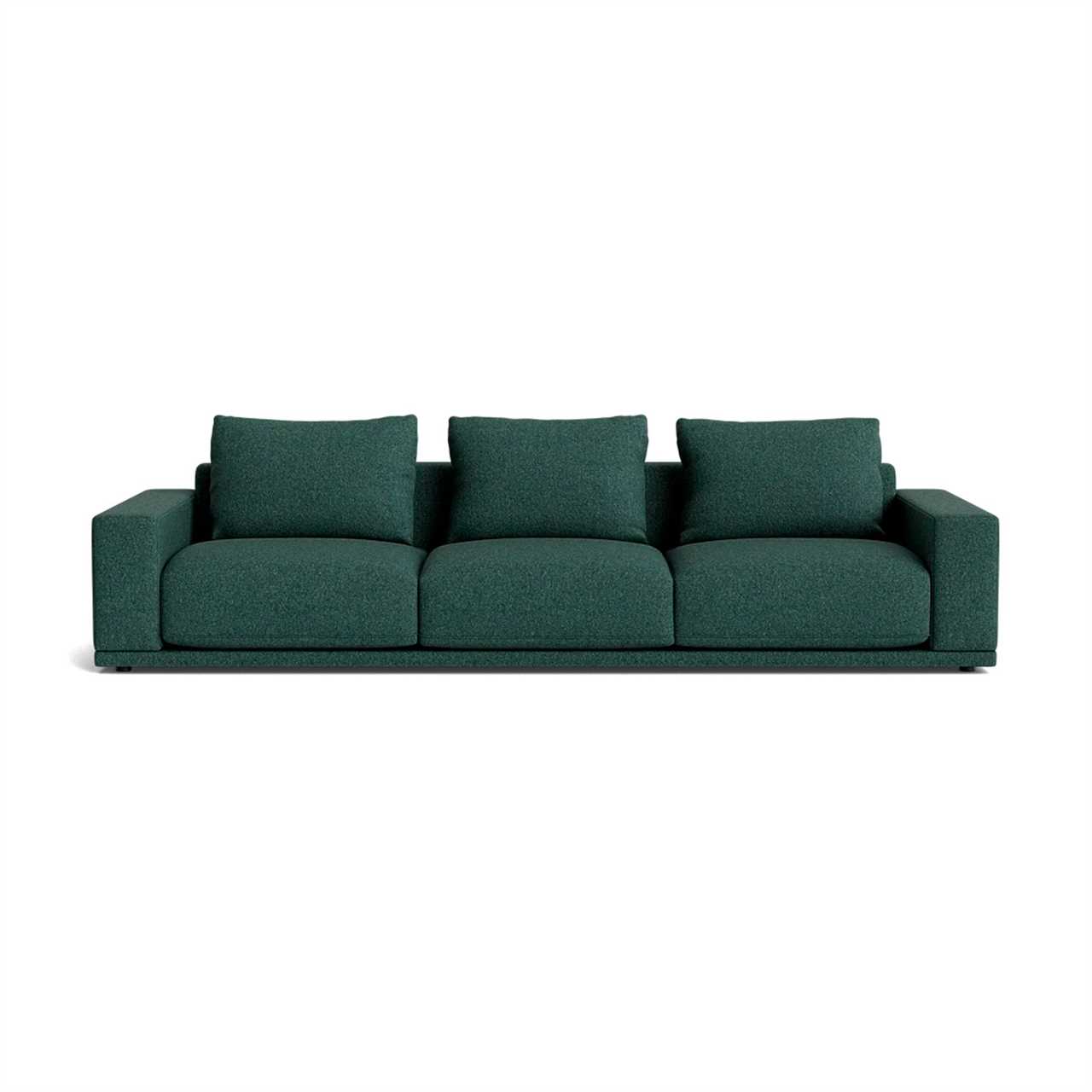
The T-Bone Collection boasts extremely luxurious proportions: a low back, massive seat cushions, an ultra-thin deck, and some of the most indulgently comfortable cushions we've ever experienced.
As with any design project, there will always be something to tweak, you just have to know when to stop. You won’t recreate a hi-fi bar’s five-to-six-figure sound system but with solid speakers and cozy seating, you can create a space that makes you want to sit down and actually listen.
We love the products we feature and hope you do, too. If you buy something through a link on the site, we may earn an affiliate commission.
Related Reading:
How to Put Together a Freaky Little Dining Tablescape
Are "Boneless" Sleeper Sofas Worth the Hype?
Read More
By: Veronica de Souza
Title: Make Your House Its Own Listening Room
Sourced From: www.dwell.com/article/everything-you-need-to-make-your-home-its-own-listening-room-design-forward-speakers-audio-equipment-661680f4-66fe14f8
Published Date: Tue, 05 May 2026 16:32:40 GMT