.png)
Macworld
After nearly 20 years, on a seemingly random Thursday, Apple finally pulled the plug on the Mac Pro. Apple later confirmed that it will no longer be selling its high-end Mac tower and has “no plans to offer future Mac Pro hardware.” The Mac Pro, once a symbol of Apple’s dominance in the PC workstation space, is well and truly dead.
Yes, yes, I know what you’re thinking: the Mac Studio exists and is aimed squarely at many of the same users that would have bought a Mac Pro. But while it matches or even exceeds the Mac Pro in processing power, the Mac Studio lacks the things that made the Mac Pro unique, namely the expansion and cooling capabilities of a tower computer. The Studio is a high-end performance machine, but not really a pro machine and more than a Mac mini with the same chip.
And with Apple releasing the MacBook Neo earlier this year, it might seem like the company is turning its attention towards the budget end of the market at the expense of its professional customers. Without a clear ultra-high-end option, Apple’s most discerning and demanding users will have to either opt for the non-modular Mac Studio or look outside Apple’s ecosystem.
Pro or no?
Let’s be honest, Apple’s pro users haven’t been particularly well-served by the Mac Pro for some time. The Mac Pro’s last update came in 2023 with the M2 Ultra chip, which has since been surpassed by the M3 Ultra – present in the Mac Studio but never in the Mac Pro. Performance was therefore superior in a more affordable Mac.
There were also memory and storage differences that were frankly embarrassing for the Mac Pro. While it peaked at 192GB of RAM and 8TB of storage, the Mac Studio surpassed that with 256GB of memory and 16TB of storage. You paid less and got more.
In the years leading up to its discontinuation, the Mac Pro looked more powerful than it actuall was.
Thiago Trevisan/Foundry
Put together, that meant the reasons to get a Mac Pro were ever dwindling. All you were really left with as a reason to cough up $6,999 or more was the ability to expand the internal storage and add some extra I/O. And few users could really rationalize that.
The fact that Apple updated the Mac Pro so infrequently, just three times in the last 14 years, tells you how low of a priority it was. The product almost certainly sold in such meager numbers as to make further revisions hard to support. This then fueled a vicious cycle: fewer people bought the Mac Pro due to its lack of updates, which then disincentivized Apple to continue working on it.
In the end, the Mac Pro was too niche to justify its continued existence. Apple had a choice to either continue developing it (with all the costs associated with that) or quietly kill it off. We shouldn’t be too surprised that it opted for the latter.
Shifting priorities
Of course, Apple’s high-end Mac offerings extend far beyond the Mac Pro. There are ample high-grade options around. So, where do true pro Mac users stand now that the Mac Pro is no more?
There’s not really a clear answer. For example, Apple refreshed its professional desktop monitor in March with the Studio Display XDR. Before the new model dropped, the Pro Display XDR was a true pro display, starting at $4,999 and offering specs that only the most demanding users needed. Despite its price, it was universally praised despite not having been updated since 2019.
The 27-inch 5K model that replaced it is smaller and isn’t nearly as robust as its 32-inch 6K predecessor, but it’s a lot cheaper (starting at $2,899) and still has an array of high-end features, such as ProMotion and HDR. It’s a flagship display for sure, but not quite as pro as it was before.
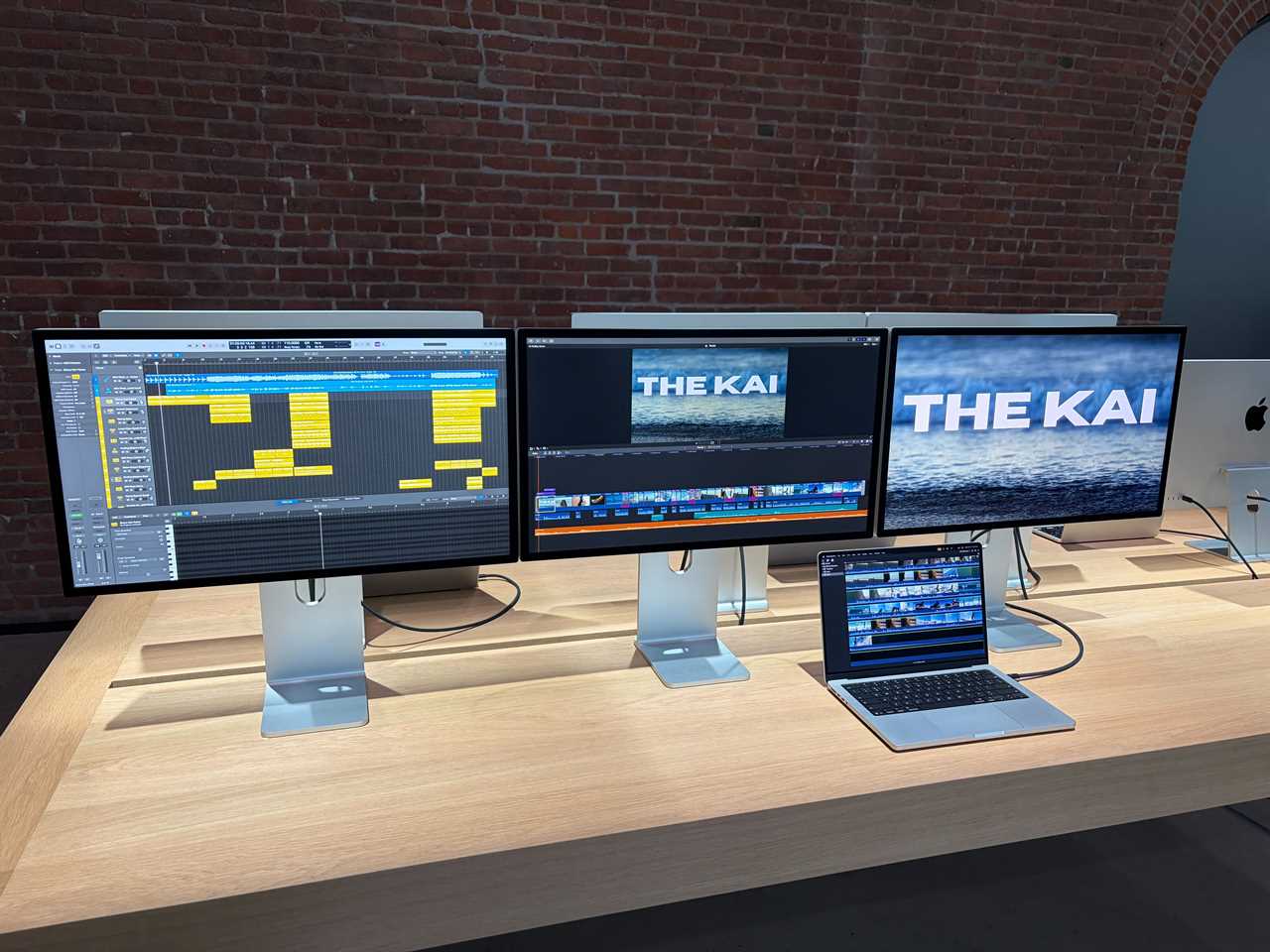
The Studio Display XDR may be a technical downgrade from the Pro Display XDR, but it serves a wider audience.
Michael Simon / Foundry
Beyond that, the MacBook Pro is, of course, still going strong. It’s one of the most popular laptops in the world and certainly one of the strongest. Power users who need portable performance are incredibly well served by its Apple silicon chips, beautiful display, fantastic speakers, and incredible battery life. And there’s no sign that Apple is letting up there.
If you need power, Apple will insist that the Mac Studio and either the Studio Display or Studio Display XDR are what you need, but for some longtime Mac Pro users, the loss of a tower will mean Apple is giving up on an important segment of the market. But this is a textbook example of Apple skating to where the puck is going. Pro users are shifting, and Apple is adjusting its own lineup in response.
The rule of four
Dropping the Mac Pro should not be read as Apple scaling back its commitments to premium products. Rather, the company is merely adjusting its lineup to more closely reflect what its customers are actually interested in buying.
We’re not back to Steve Jobs’ famously concise product quadrant yet, but we’re getting closer. The idea of the quadrant was to fastidiously focus on desktops and laptops for professionals and consumers. In that order, we have the Mac Studio, the MacBook Pro, the Mac mini/iMac, and the MacBook Air/MacBook Neo.
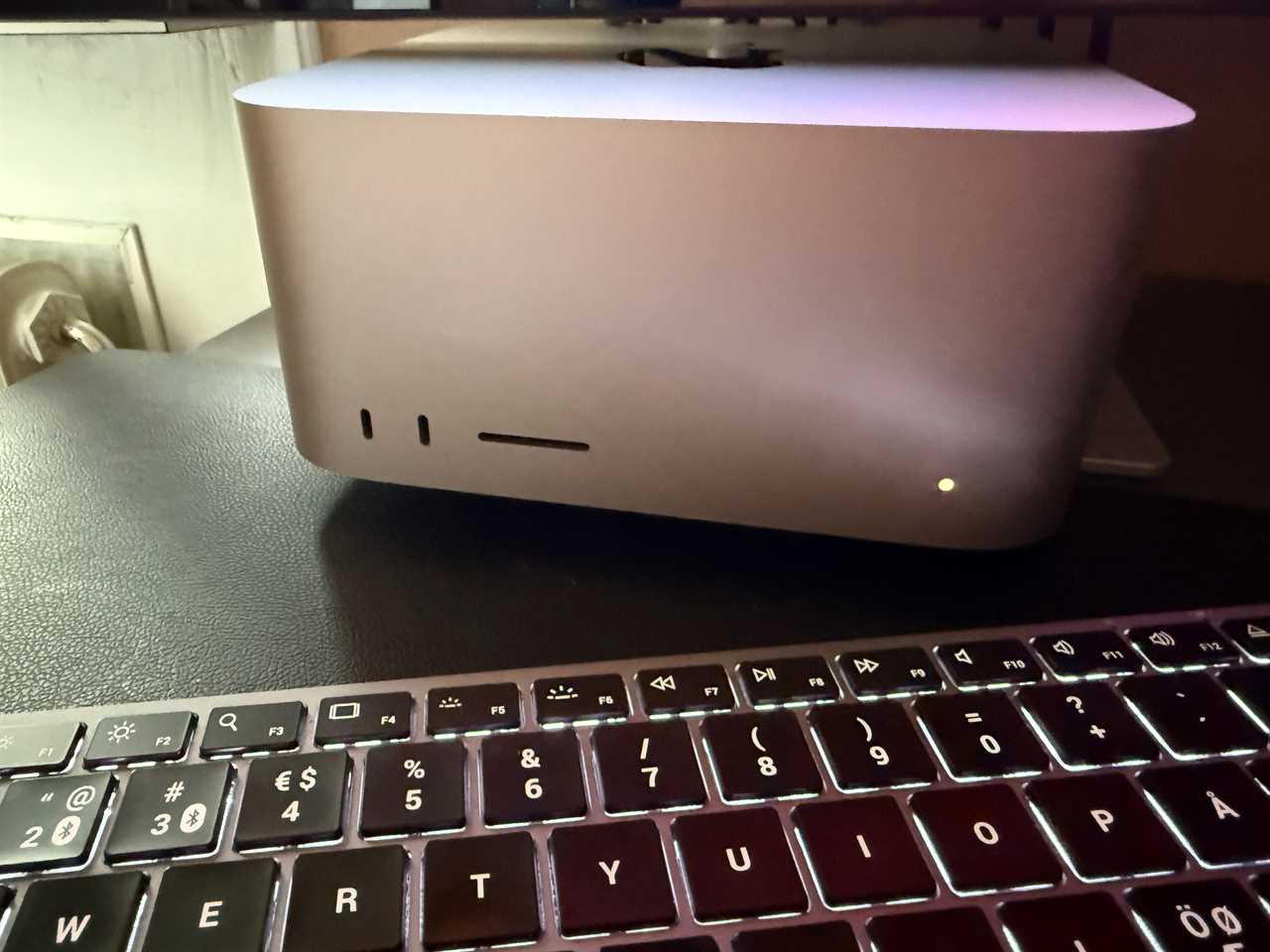
The Mac Studio with an Ultra chip does a fine job replacing the Mac Pro at a more affordable price.
Petter Ahrnstedt
In a list like that, the Mac Pro was surplus to requirements. After all, when Jobs ditched a bunch of devices on his return to Apple in 1997, it wasn’t because he was giving up on those product categories. Rather, the products he cut simply weren’t good enough, and in many cases, the company returned in later years with better efforts.
Apple’s current pro-grade offerings still present an incredibly strong roster: There’s the Mac Studio, the MacBook Pro, and the Studio Display XDR, all products at the top of their game. That’s a hearty meal for any high-end user to dive into. But the days of ultra-high-end machines specced and priced for a specific group of users appear to be over.
Ultra is the new Pro
For a few years now, Apple has used the Ultra tag where the Pro signifier once sufficed. So far, we’ve gotten the Apple Watch Ultra, but rumors report Apple is planning to greatly expand that range later this year.
First up, there will be the iPhone Ultra. Although the name might sound new, you know this product: for years it’s been talked about as the foldable iPhone. A device as advanced as that, coupled with Apple’s famous premium trappings, would easily justify its spot at the top of the iPhone hierarchy and a price tag to match. There’s even the possibility of an “Ultra” upgrade for the AirPods, complete with cameras and sensors that could feed directly into Siri.
Of course, Apple’s non-Mac devices such as the iPhone and AirPods have always had a different definition of what “pro” means. But Ultra is coming to the Mac too. There’s the Mac Studio, which will soon get an M5 Ultra processor to make it the fastest Mac ever made. And the Ultra branding is expected to come to the MacBook, too, with the long-anticipated MacBook Pro with a touchscreen OLED panel. But is a touchscreen laptop really a pro machine? Do Apple’s highest-end users really want a touchscreen on their Mac, or would they rather have SSD slots and aftermarket graphics upgrades?
Apple’s Ultra lineup is certainly going to be a high-end tier, with expensive price tags and cutting-edge features that live up to their flagship branding. But where does that leave Apple’s pro users? If Apple is shifting the definition of “Pro” from extreme high-end niche products built for demanding users to high-priced products that showcase the latest design and breakthroughs, where does that leave pro Mac users? Because once everyone is a pro, then no one will be.
Read More
Title: Is the pro Mac dead?
Sourced From: www.macworld.com/article/3111630/is-the-pro-mac-dead.html
Published Date: Thu, 06 Aug 2026 10:30:00 +0000