.png)
Macworld
When Apple first announced that it would allow third-party app marketplaces on the iPhone, it felt like a major turning point. For years, the App Store had been the only place where iPhone users could download apps, and regulators around the world had been pushing Apple to loosen its grip on software distribution.
It was easy to imagine a future where people would browse multiple app stores, developers would offer exclusive deals, and Apple’s App Store would suddenly face real competition. Now that I’ve actually been living with alternative app marketplaces on my iPhone for the past few weeks, I can confidently say nothing has really changed.
It’s not that alternative app stores don’t work. They do. But once the novelty wears off, I found myself going right back to the App Store.
From the App Store to app marketplaces
For nearly two decades, the App Store was the only official way to install apps on an iPhone. That began to change in 2024, when Apple introduced support for third-party app marketplaces in the European Union to comply with the Digital Markets Act (DMA), legislation designed to increase competition among major tech platforms.
Rather than allowing unrestricted sideloading, Apple created a system of “app marketplaces.” These are alternative app stores developed by third parties, each capable of distributing apps that sidestep Apple’s App Store. Developers can also choose to distribute apps directly from their own websites in supported regions. Apple still maintains some oversight through a process called notarization, which scans apps for malware and basic security issues before they can run on iOS. However, developers using these alternative distribution methods are no longer required to use Apple’s App Store or its in-app payment system.
Alternative app stores are available in the EU and other regions around the world, but not in the U.S.
Foundry
Until recently, these changes were mostly limited to the European Union. Following regulatory pressure from Brazil’s competition authority (CADE), Apple expanded support for app marketplaces to Brazilian iPhone users this year. Japan is also on the list of regions where app marketplaces are available for iPhone users.
Installing another app store is easy, but there are a few hassles
Apple’s implementation is much less dramatic than the term “sideloading” might suggest. Installing an alternative app store is relatively easy, but it’s still not a fully seamless process.
Users can’t simply download apps from anywhere on the web. Instead, they first have to install an approved marketplace, which then becomes another source for downloading apps. The installation process also requires a few extra steps beyond what you might expect.
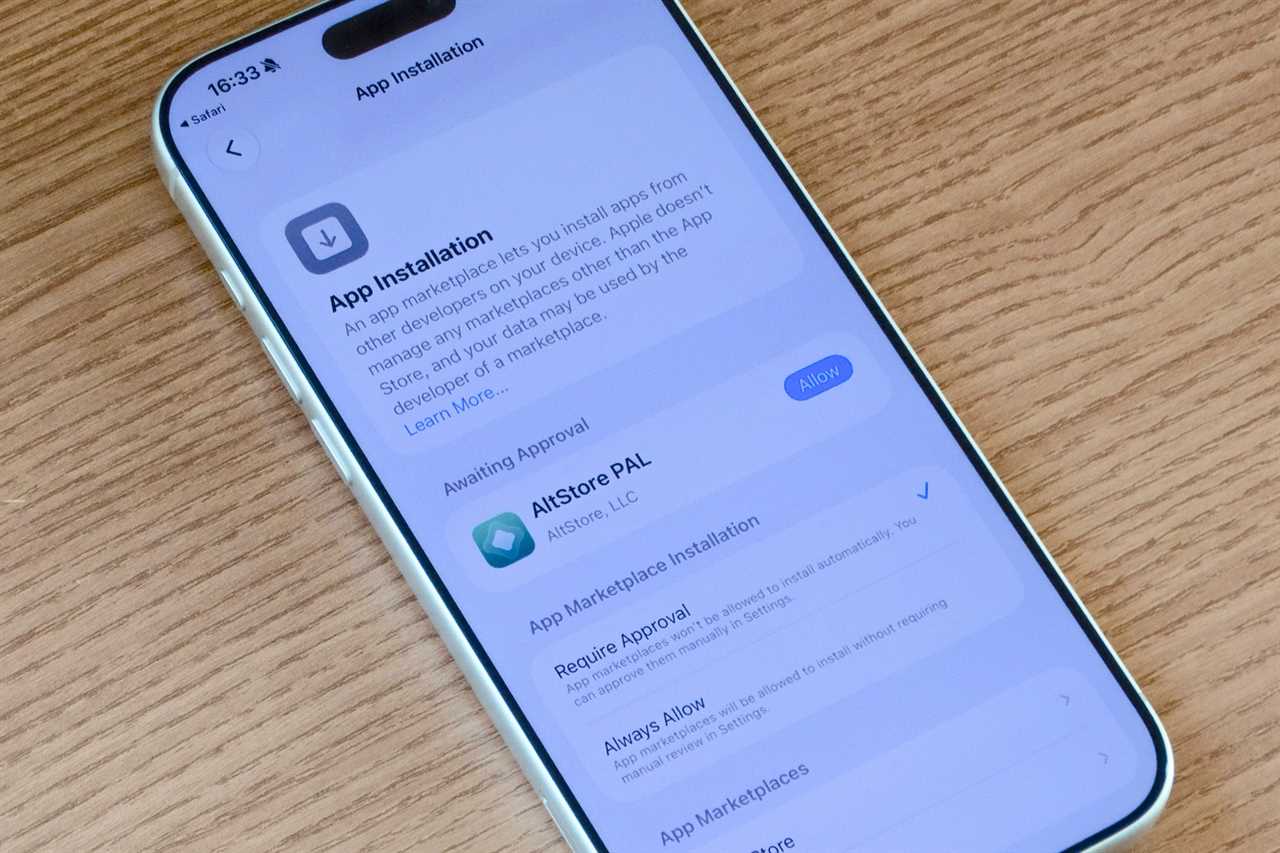
Installing third-party app stores isn’t complicated but it’s harder than just opening the App Store.
Foundry
Before installing a new marketplace, you must explicitly authorize the download in the Settings app. (This process is no longer required in the EU due to local legislation, but it’s still required in Brazil and Japan.) Once the store installs on your iPhone, it behaves much like any other app.
For those who are already familiar with advanced settings on iOS, this process is quite simple. But for others, the fact that it requires an extra confirmation step is enough to make them think twice before installing an alternative app marketplace.
What’s so great about alternative app marketplaces?
One of the biggest complaints about Apple’s App Store is how strict it is when it comes to its guidelines, putting a lot of restrictions on what developers can do. And since the App Store was the only way to distribute iPhone apps, there wasn’t any other official way to distribute apps that don’t follow Apple’s rules.
For example, the App Store banned emulator apps for years. And although Apple now allows them, there are other categories that are still off-limits, including violent games, adult-themed content, and torrent clients. In theory, alternative app marketplaces solve this problem and let these apps in.
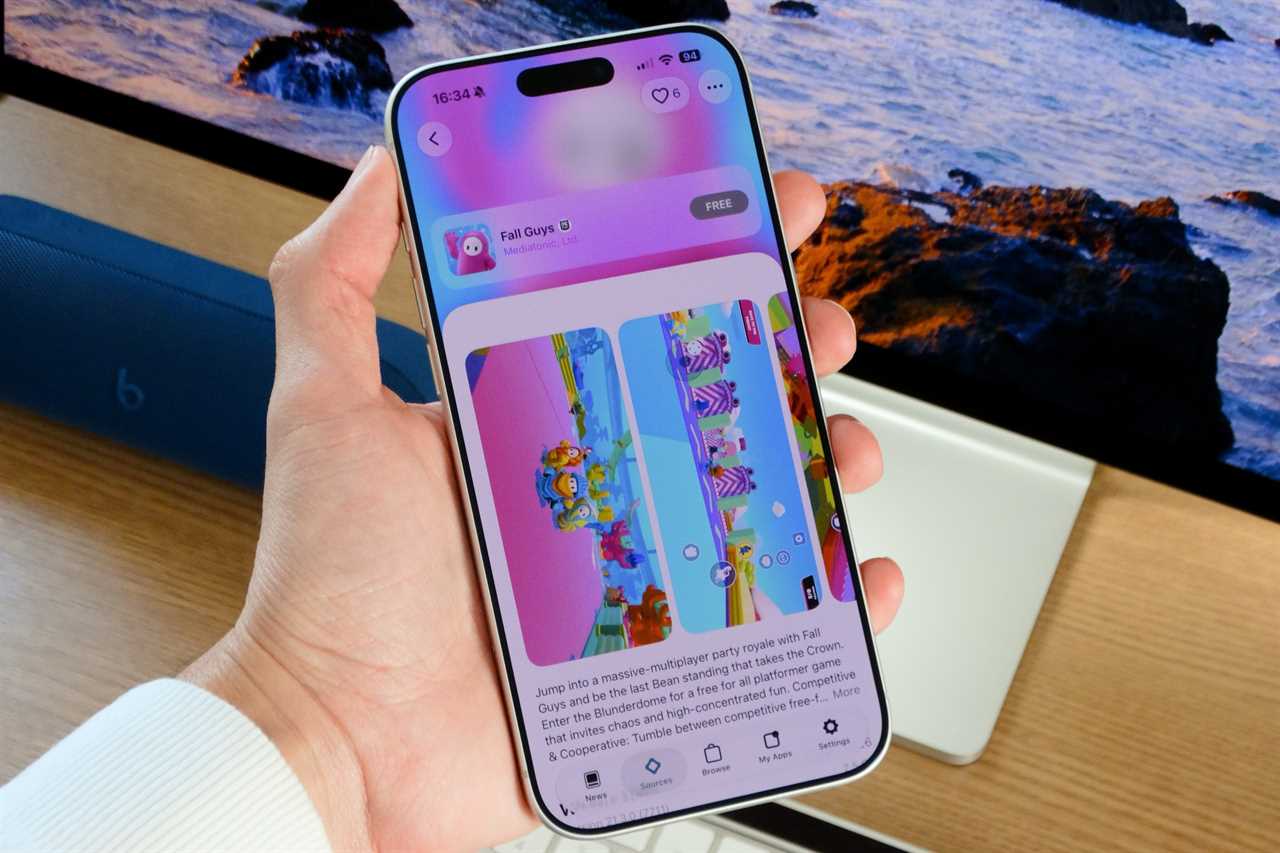
Apps downloaded outside the App Store often offer beter discounts deals on in-app purchases.
Foundry
Alternative app marketplaces also make it easier for developers to adopt their own business models, rather than relying on the App Store’s in-app purchase system. That was the reason Fortnite left the App Store years ago, and the impetus for many of the rules in place. As such, Epic now has its own marketplace available on iOS.
For my testing, I primarily used AltStore PAL and Aptoide, two of the best-known alternative marketplaces currently available. To be honest, there aren’t many other options besides these.
AltStore is probably the most popular app marketplace for iOS, since it already existed on jailbroken devices before all these changes. It was created by Riley Testut, the developer behind the well-known Delta game emulator. In addition to Testut’s own apps, AltStore also offers some apps from third-party developers.
There are streaming apps, torrent clients, and a few dozen other indie apps like a clipboard manager that you won’t find in the App Store. Fortnite and other titles from Epic are also available on AltStore, so gamers have a great reason to like alternative app marketplaces.
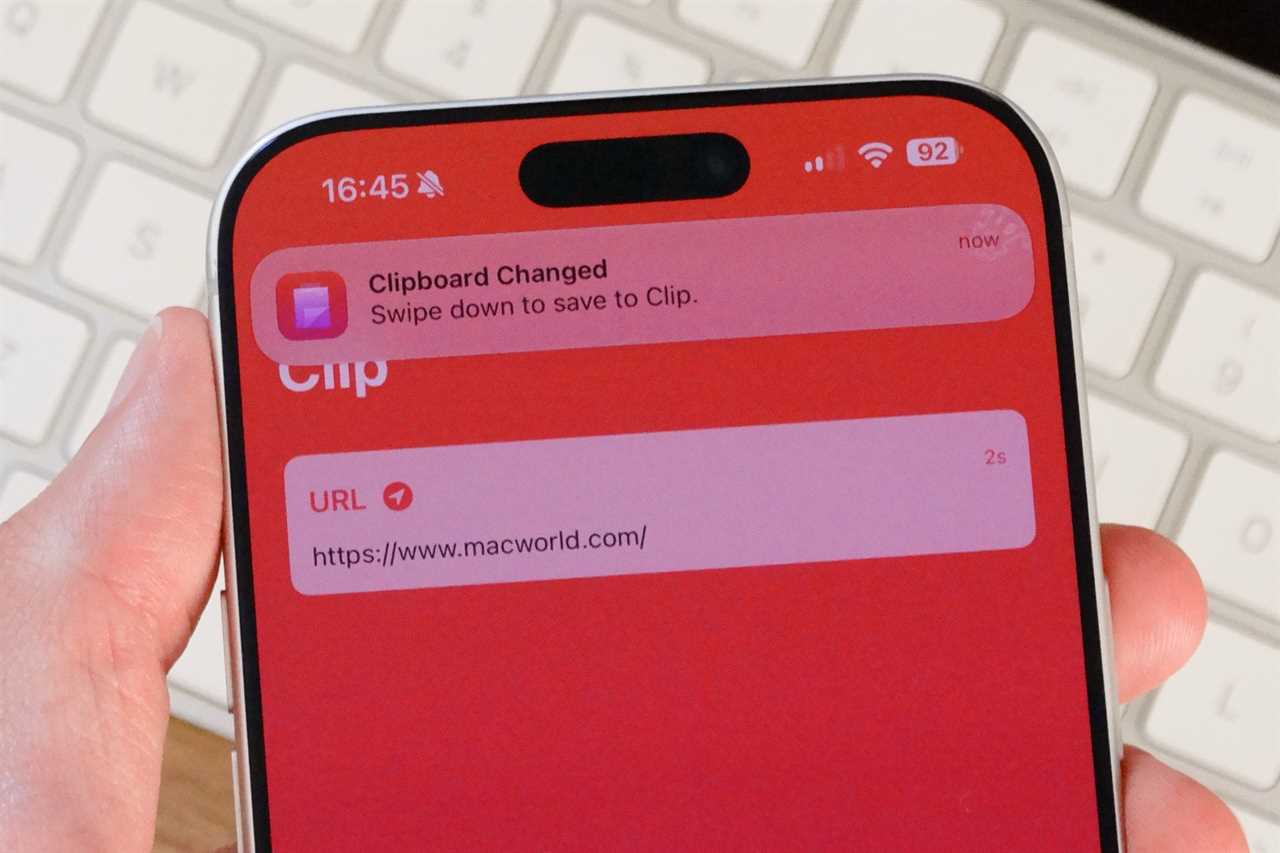
Apps downloaded through third-party stores have fewer restrictions than Apple’s App Store.
Foundry
Apptoide focuses more on games. Although many of the titles available there can also be found on the App Store, the versions on this alternative app marketplace often offer discounts on in-app purchases.
Installing apps from these marketplaces is quite easy and very similar to the App Store. Of course, the entire process of updates and purchases is managed through these stores, so you won’t see any related purchases in the App Store settings.
The App Store already has almost everything I need
After the initial excitement of trying something new, I realized I had no real reason to keep opening these alternative stores, and ultimately not much has changed in how I use my iPhone.
Yes, it’s nice to have the option to download apps that aren’t available on the App Store. But the thing is, the vast majority of the apps I use every day are still available exclusively there, from banking apps to social media and streaming platforms.
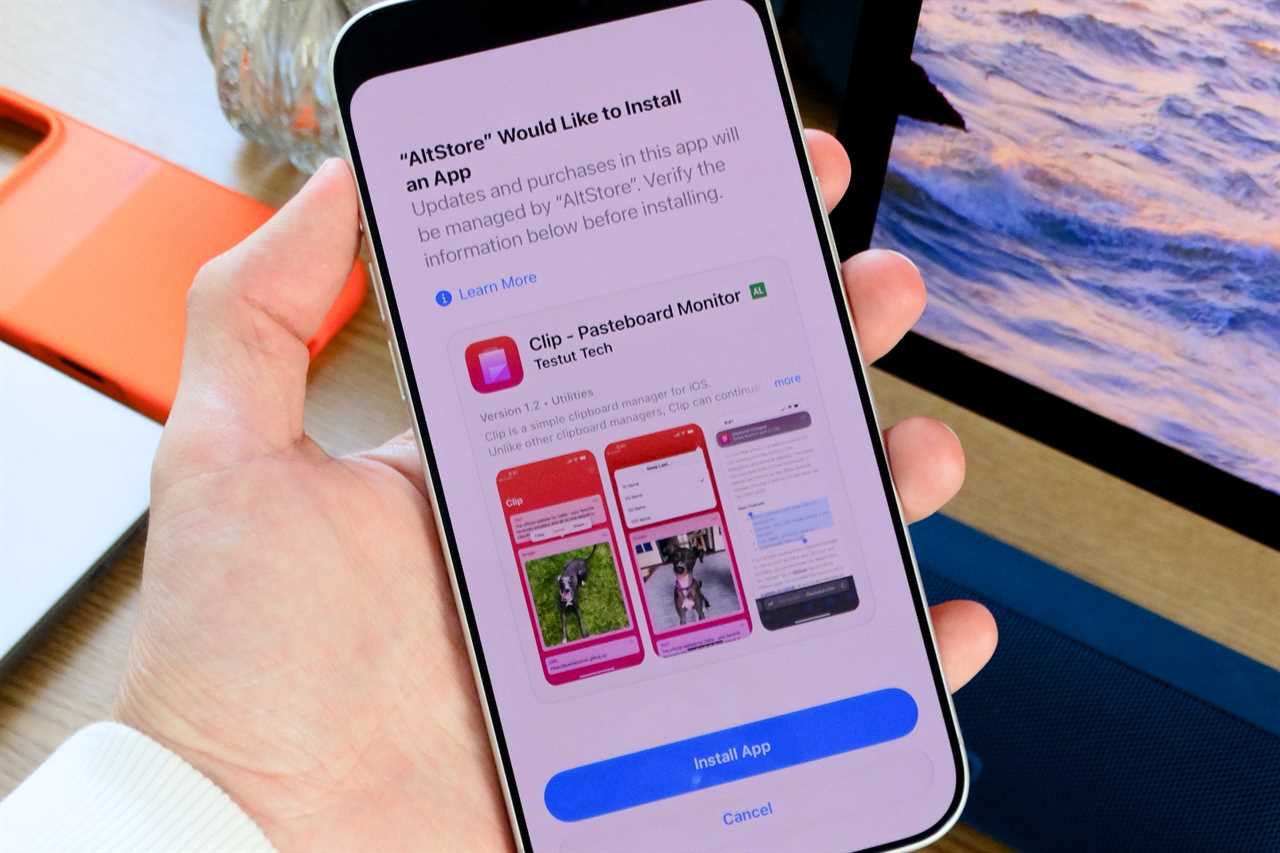
Even after installing a couple of third-party app marketplaces, I still went back to using the App Store.
Foundry
When I need a new app, I still automatically head over to the App Store first. Especially since these app marketplaces don’t have that many apps available. The alternative marketplaces simply haven’t given me a compelling reason to change that behavior.
Some developers may eventually offer lower prices, exclusive versions, or apps that Apple wouldn’t normally allow in the App Store. Those could become legitimate reasons to use them. But today, those examples are relatively niche. For the average iPhone user, the App Store remains the easiest and most complete place to find software.
The more I’ve talked to friends and family about alternative app marketplaces, the more I’ve realized I’m probably not alone. Many didn’t even know the feature existed. Others had heard about it but had no interest in trying it. A few asked what they were actually supposed to gain from installing another app store.
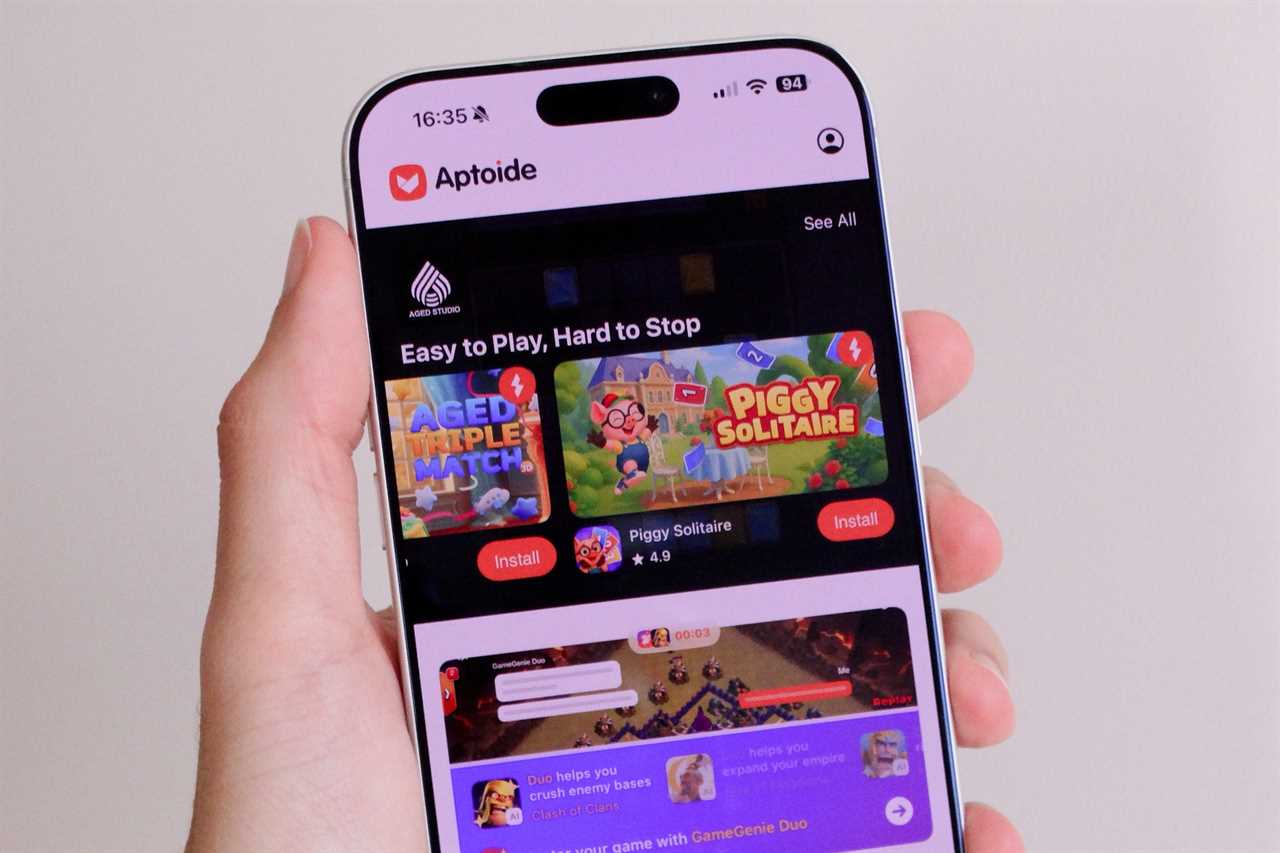
Third-party app marketplaces are fun to browse, but ultimately, the App Store is a better experience.
Foundry
It’s less of a change than you think
The ability to distribute apps outside the App Store represents one of the biggest platform changes in the iPhone’s history. It creates opportunities for developers to experiment with different business models and could eventually enable entirely new categories of apps and services.
Some marketplaces may eventually specialize in gaming, enterprise software, developer tools, or regional content. Others might compete aggressively on pricing or subscriptions.
Despite Apple’s claims that these marketplaces could potentially harm its App Store business, the reality appears to be quite different. Right now, alternative app marketplaces are clearly niche, focusing on very specific apps that are sought out only by advanced users.
They’re available if you want them, but the App Store will likely remain the first choice for the vast majority of iPhone users for a long time to come.
Read More
Title: Sideloading changed everything and nothing about my iPhone
Sourced From: www.macworld.com/article/3199905/sideloading-changed-everything-and-nothing-about-my-iphone.html
Published Date: Wed, 29 Jul 2026 18:03:32 +0000